
A cutting blade is a fundamental component in industrial processing systems, directly influencing cutting precision, operational efficiency, and production consistency. Whether used in plastic recycling, rubber processing, packaging, or metal fabrication, the performance of a cutting blade determines output quality and machine stability. This article explores the structure, types, materials, applications, maintenance practices, and selection criteria of cutting blades. It also explains how companies like Crosstec develop high-performance cutting solutions designed to solve real-world industrial challenges such as blade wear, material deformation, and inconsistent cutting results.
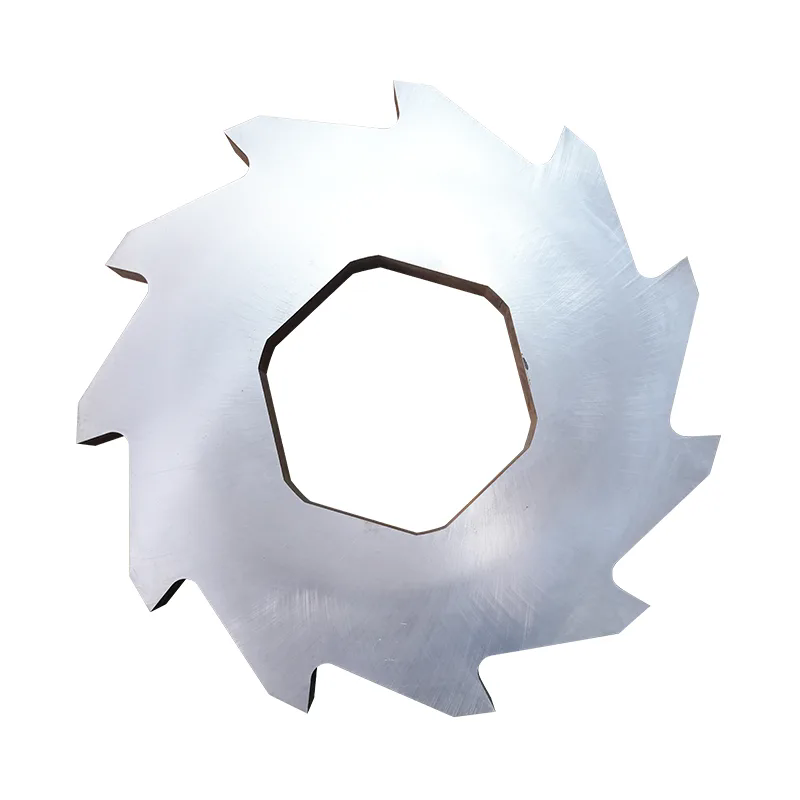
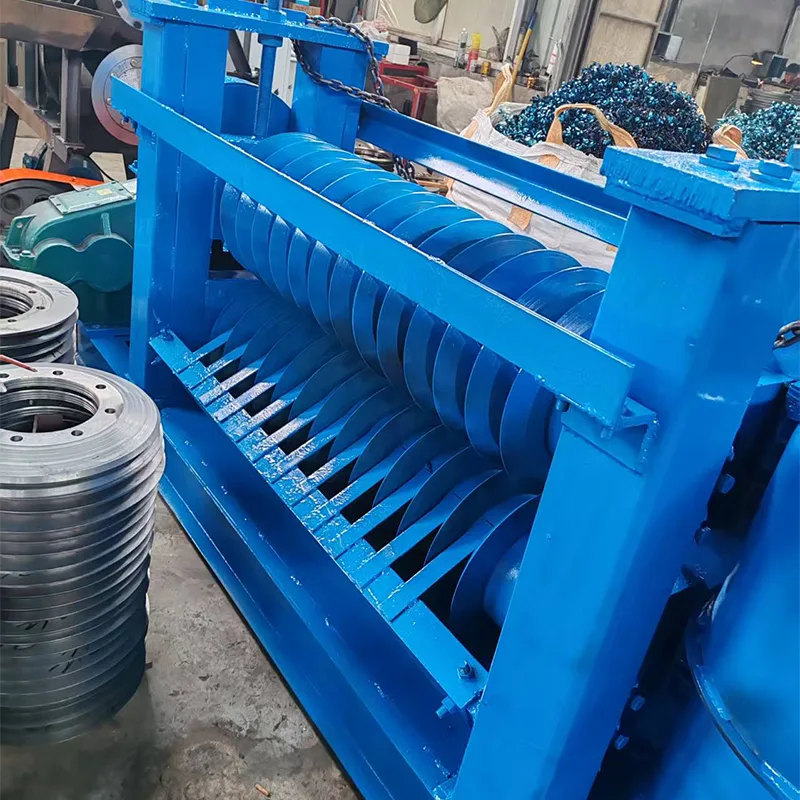
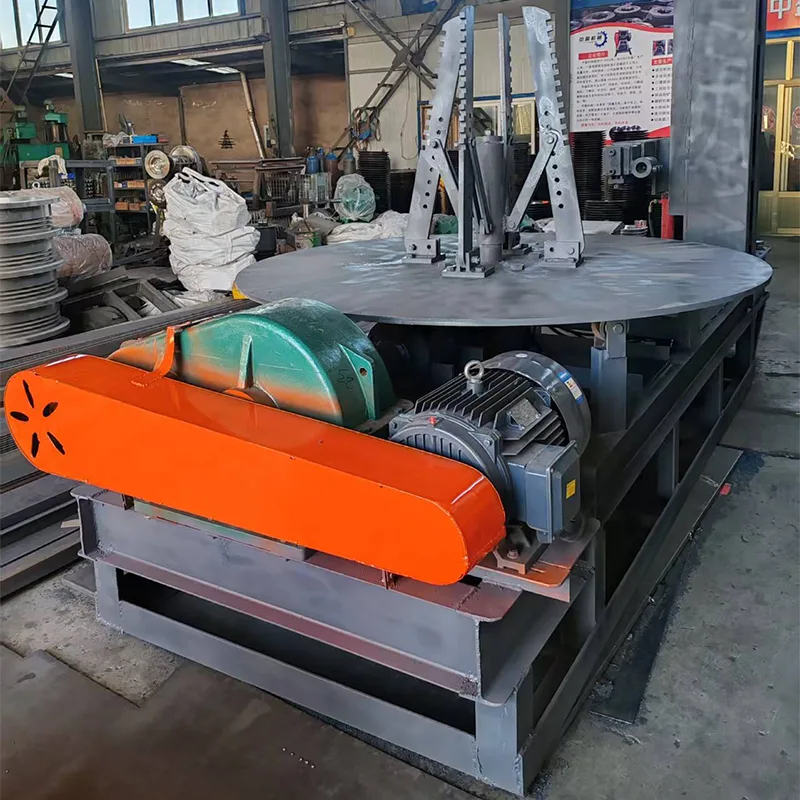
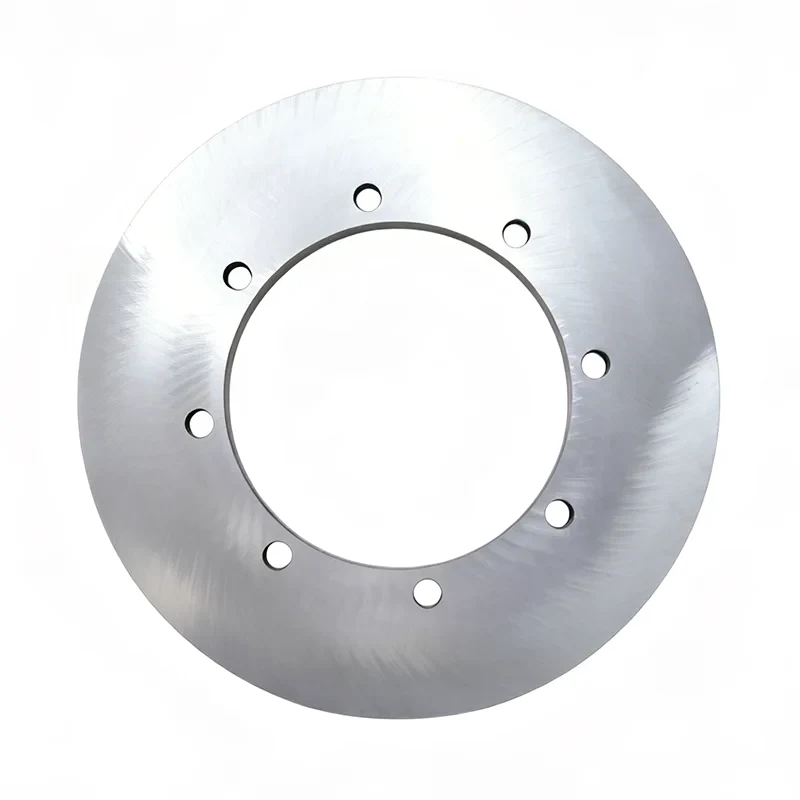
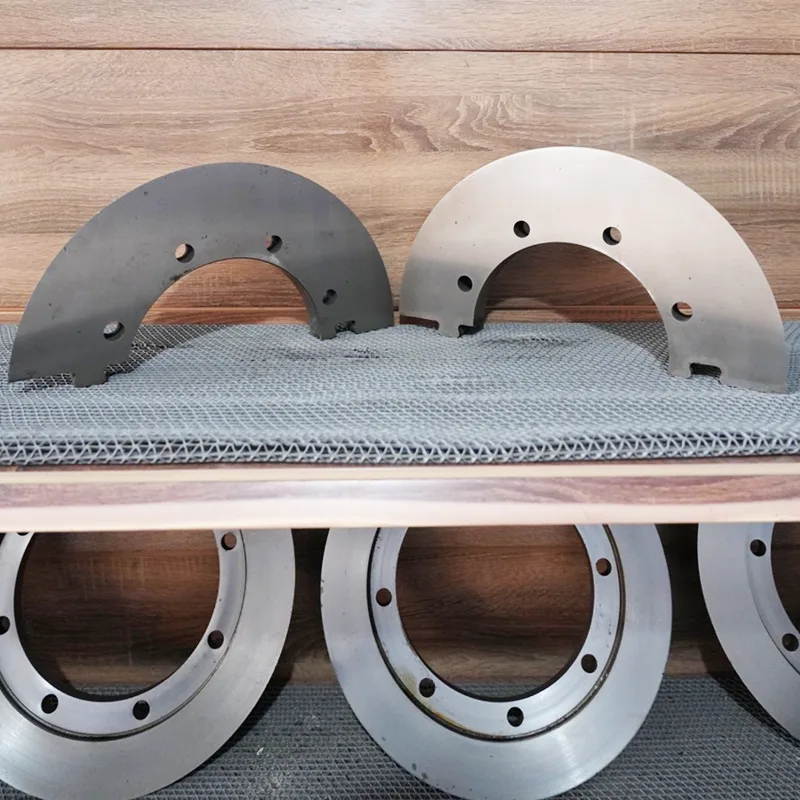
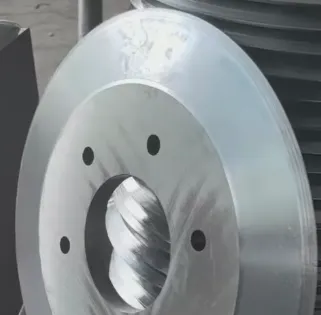
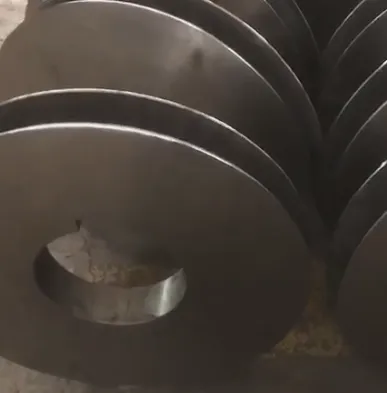
A cutting blade is an engineered tool designed to apply concentrated force along a sharpened edge to shear, slice, or grind materials into desired shapes or sizes. In industrial environments, cutting blades are integrated into machines such as shredders, granulators, mixers, and slitting systems. Their performance depends on geometry, hardness, coating, and alignment within the machine system.
Unlike general-purpose knives, industrial cutting blades are designed for continuous operation under high stress. They must maintain sharpness while resisting deformation, corrosion, and thermal fatigue. A poorly designed blade can cause uneven cuts, increased energy consumption, and frequent machine downtime.
Different industrial processes require specialized cutting blade designs. Below are the most commonly used types:
Each type of blade is optimized for a specific force distribution pattern, ensuring efficiency and minimizing material waste during operation.
The material composition of a cutting blade significantly impacts its durability and performance. Industrial-grade blades are commonly manufactured using tool steel, high-carbon steel, stainless steel, or alloy steel. Advanced coatings such as titanium nitride or chromium enhance hardness and reduce friction.
| Material | Key Advantage | Typical Application |
|---|---|---|
| High Carbon Steel | Excellent sharpness retention | General industrial cutting |
| Alloy Steel | High toughness and impact resistance | Heavy-duty shredding |
| Stainless Steel | Corrosion resistance | Food and chemical processing |
| Tungsten Carbide | Extreme hardness | High-abrasion environments |
Manufacturers like Crosstec apply precision heat treatment and CNC machining processes to ensure consistent hardness distribution and dimensional accuracy.
Selecting the correct cutting blade requires understanding the material being processed, machine specifications, and production requirements. The wrong blade choice can lead to premature wear or inefficient cutting.
A systematic evaluation of these factors ensures long-term efficiency and reduces operational costs.
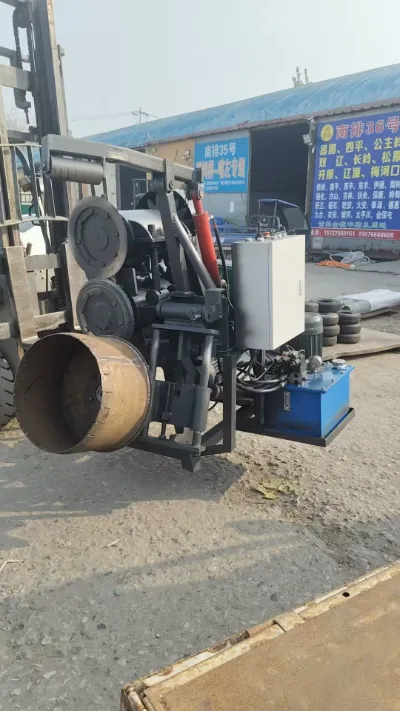
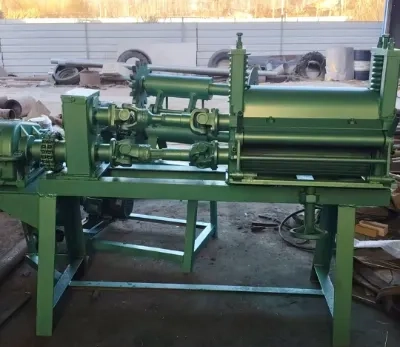
Cutting blades are used across a wide range of industries, each with unique performance demands.
In each of these applications, blade precision directly impacts output quality and energy efficiency. Crosstec provides customized cutting blade systems tailored to these diverse industrial environments.
Proper maintenance extends cutting blade life and ensures stable machine performance. Regular inspection and sharpening schedules are essential in high-load production environments.
Neglecting maintenance can lead to uneven cutting, increased energy consumption, and potential equipment damage.
| Problem | Cause | Solution |
|---|---|---|
| Blade dulling | Abrasive materials or poor hardness | Upgrade material or apply coatings |
| Chipping | Excessive impact force | Adjust machine speed or blade angle |
| Uneven cuts | Misalignment | Recalibrate installation system |
| Overheating | High friction | Improve lubrication and coating |
Addressing these issues early ensures long-term stability and reduces downtime in production systems.
Crosstec specializes in designing and manufacturing high-performance cutting blades for demanding industrial environments. With a focus on precision engineering and material innovation, Crosstec provides solutions that enhance cutting efficiency and reduce operational costs.
Unlike standard blades, Crosstec cutting blades are engineered with optimized geometry, advanced heat treatment, and strict dimensional control. This ensures consistent performance even under continuous heavy-duty operation.
By integrating engineering expertise with real-world application needs, Crosstec helps industries improve productivity and reduce long-term operational risks.
Q1: What is the lifespan of an industrial cutting blade?
It depends on material type, usage intensity, and maintenance. High-quality blades from Crosstec can last significantly longer under proper conditions.
Q2: How often should cutting blades be sharpened?
Sharpening frequency depends on workload, but routine inspection is recommended after every production cycle.
Q3: Can cutting blades be customized?
Yes. Crosstec offers customized cutting blade solutions based on machine specifications and material requirements.
Q4: What causes premature blade wear?
Common causes include abrasive materials, improper installation, and insufficient maintenance.
Industrial cutting efficiency depends heavily on selecting the right cutting blade and maintaining it properly throughout its lifecycle. Crosstec continues to develop advanced blade technologies that address real industrial challenges, ensuring precision, durability, and operational stability across multiple sectors. If you are looking to improve your cutting performance and reduce downtime, contact us today to explore customized cutting blade solutions tailored to your production needs.