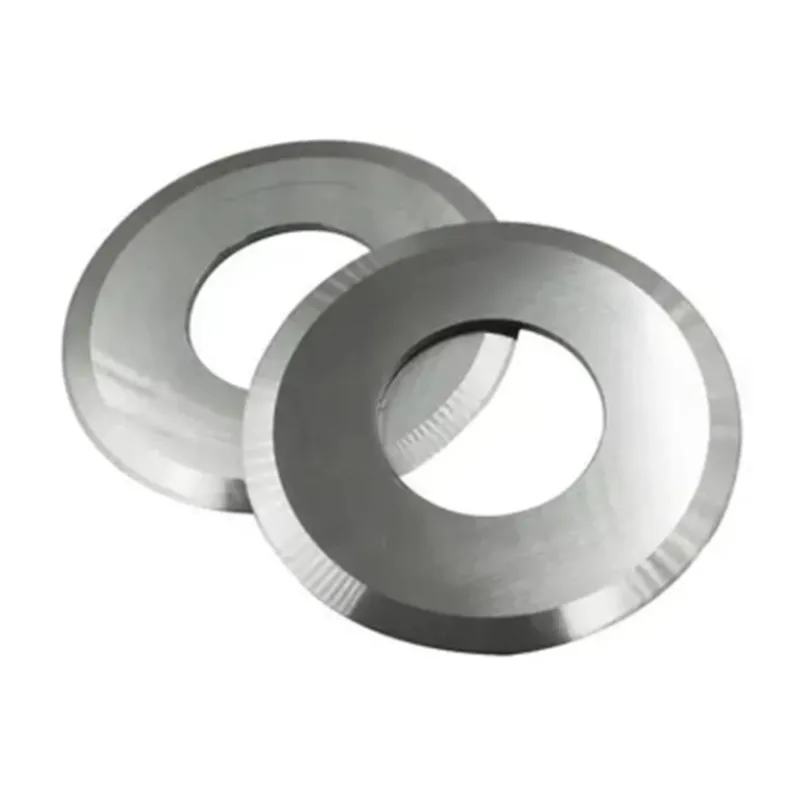
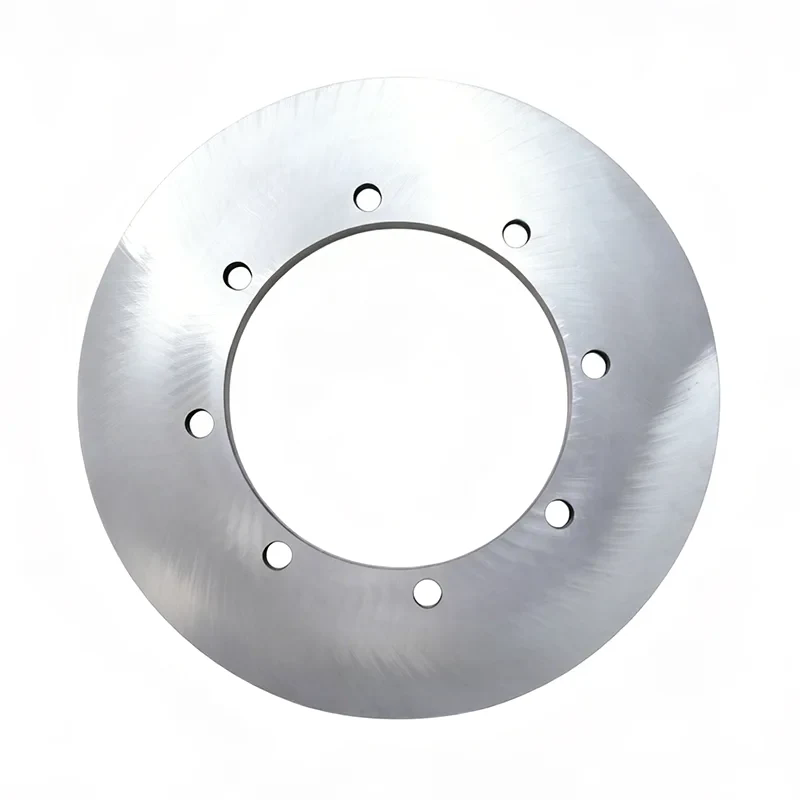
A Large Bevel Blade is a precision cutting component designed for demanding industrial slitting, trimming, recycling, and material-processing applications. Its bevel geometry directly influences cutting force, edge contact, material separation, vibration, burr formation, and blade service life. Choosing the correct diameter, bevel angle, material, hardness, thickness, and balance is therefore essential for maintaining stable production. This guide explains how Large Bevel Blade design affects cutting performance, how to select the right configuration for different materials, what causes premature blade failure, and how proper maintenance can reduce downtime and replacement costs. Xinzhe provides customized industrial blade solutions for applications where dimensional accuracy, wear resistance, and reliable cutting performance are critical.
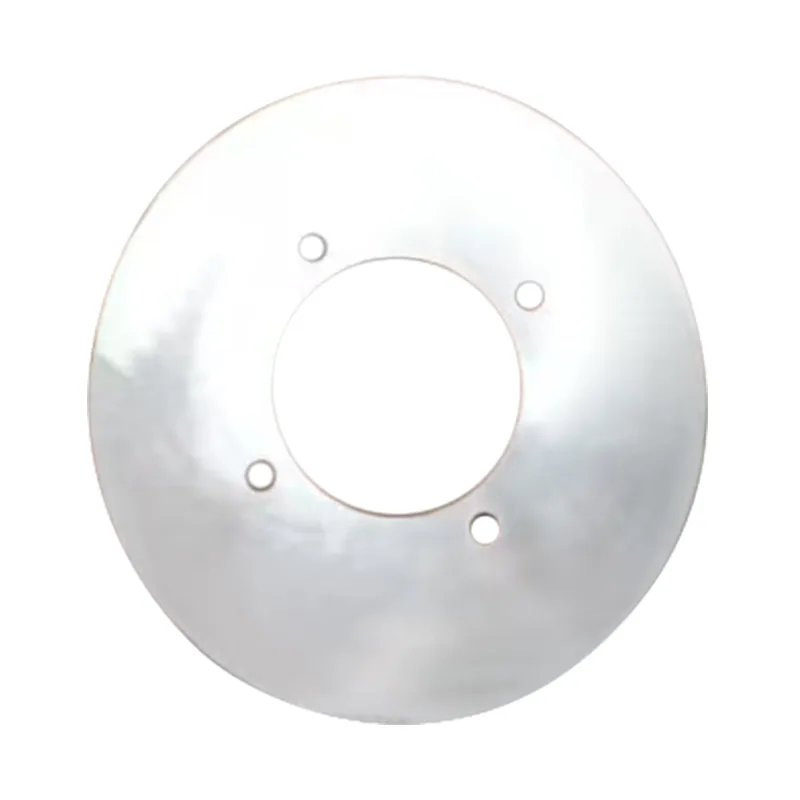
A cutting blade is a critical component in many industrial processing applications, directly affecting cutting accuracy, material waste, production speed, and operational costs. Choosing the right cutting blade requires a clear understanding of material properties, cutting conditions, blade design, and maintenance requirements. This article explains how cutting blades work, how they improve manufacturing efficiency, what factors influence blade performance, and how businesses can select suitable solutions for their production needs. With professional manufacturing experience, Xinzhe Blades provides reliable cutting blade solutions designed to help industries achieve stable, precise, and efficient cutting operations.
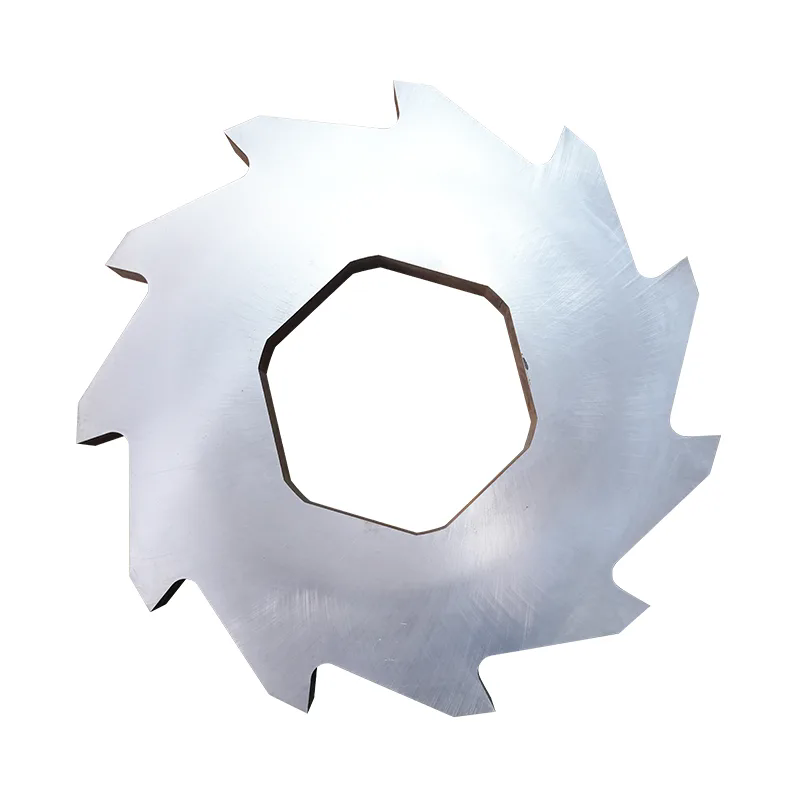
A cutting blade is a fundamental component in industrial processing systems, directly influencing cutting precision, operational efficiency, and production consistency. Whether used in plastic recycling, rubber processing, packaging, or metal fabrication, the performance of a cutting blade determines output quality and machine stability. This article explores the structure, types, materials, applications, maintenance practices, and selection criteria of cutting blades. It also explains how companies like Crosstec develop high-performance cutting solutions designed to solve real-world industrial challenges such as blade wear, material deformation, and inconsistent cutting results.
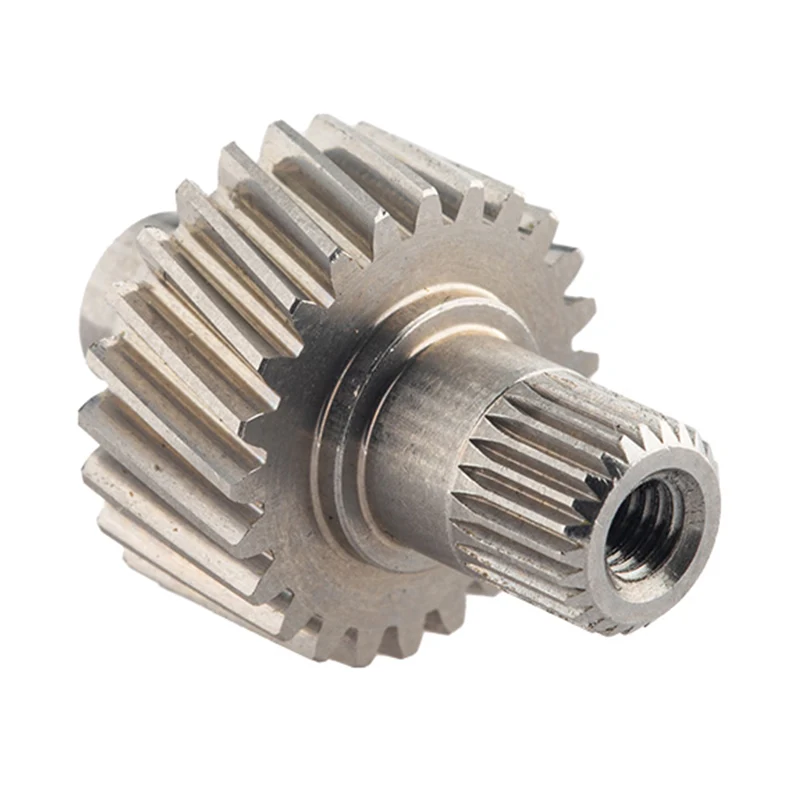
Spur cylindrical gears are fundamental transmission components widely used in medium and low-speed mechanical systems. This blog introduces basic definitions, standard parameters, structural features, performance data, custom services and actual industrial applications of spur cylindrical gears. It also presents Yutian Xinzhe Metal Products Co., Ltd., a professional Chinese gear manufacturer with complete production and quality control systems. Common purchasing questions and supplier selection references are listed to help global mechanical buyers select suitable spur cylindrical gears.
Selecting the right cutting blade is one of the most important decisions for manufacturers, converters, packaging companies, recycling facilities, rubber processors, paper industries, and industrial cutting operations. A high-quality cutting blade directly affects production speed, cutting accuracy, product quality, equipment lifespan, and operating costs.
A rotary cutter is one of the most efficient cutting tools used across industries such as rubber processing, paper manufacturing, textile production, packaging, film converting, and industrial material fabrication. Its circular blade design enables continuous, precise, and high-speed cutting while minimizing waste and downtime. This article explores how rotary cutters work, their advantages, applications, selection criteria, maintenance practices, and how businesses can maximize productivity through the right cutting solutions.
We use cookies to offer you a better browsing experience, analyze site traffic and personalize content. By using this site, you agree to our use of cookies. Privacy Policy


 24 2026-08
  03 2026-08
  06 2026-07
  17 2026-06
  02 2026-06
  01 2026-06