
Selecting the right cutting blade is one of the most important decisions for manufacturers, converters, packaging companies, recycling facilities, rubber processors, paper industries, and industrial cutting operations. A high-quality cutting blade directly affects production speed, cutting accuracy, product quality, equipment lifespan, and operating costs.
Many businesses experience issues such as uneven cuts, excessive blade wear, frequent downtime, material waste, and rising maintenance expenses simply because they are using the wrong blade for their application. Understanding how to select the proper cutting blade can dramatically improve productivity and reduce overall production costs.
This guide explains how to choose the ideal cutting blade for different industrial applications. You'll learn about blade materials, edge geometries, coating options, industry-specific requirements, maintenance practices, and key factors that influence cutting performance. Whether you're cutting rubber, plastic, paper, film, foam, textiles, or composite materials, this article will help you make a more informed decision.
A cutting blade is more than just a consumable component. It plays a critical role in ensuring operational efficiency and product consistency.
Using an unsuitable blade can result in:
Conversely, selecting the correct cutting blade provides:
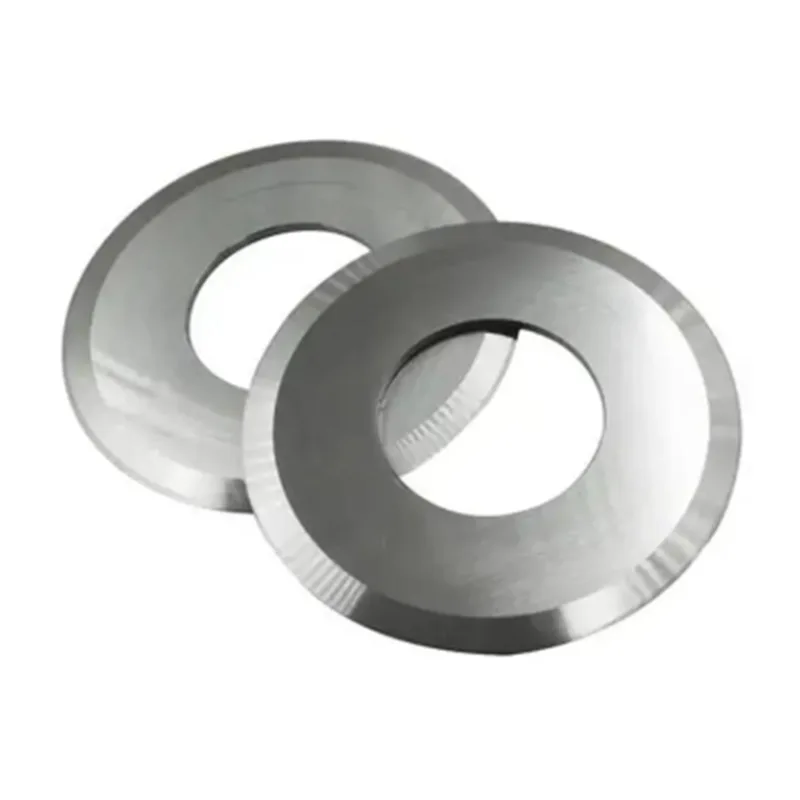
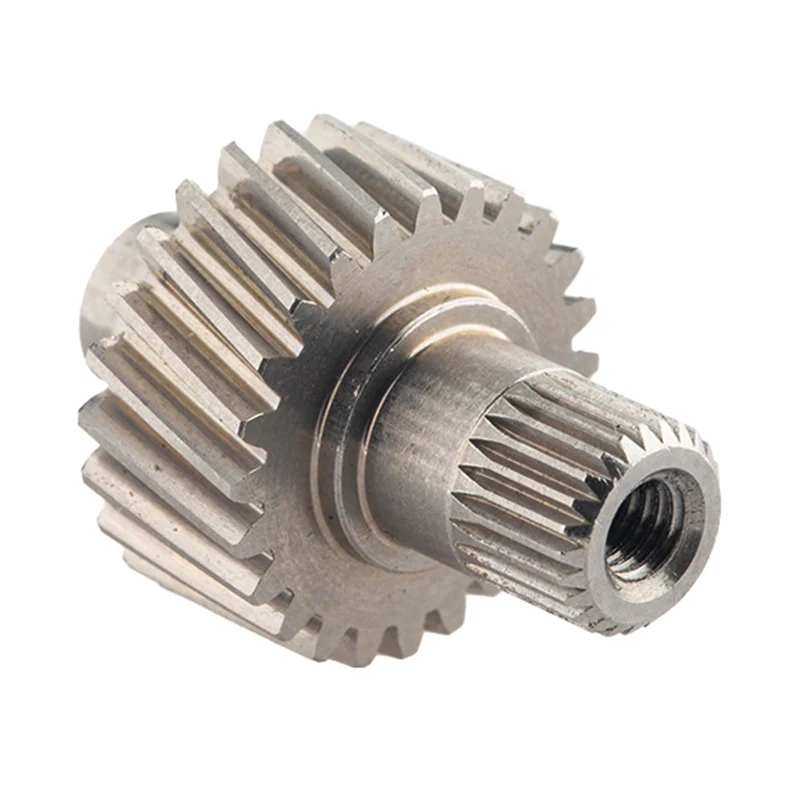
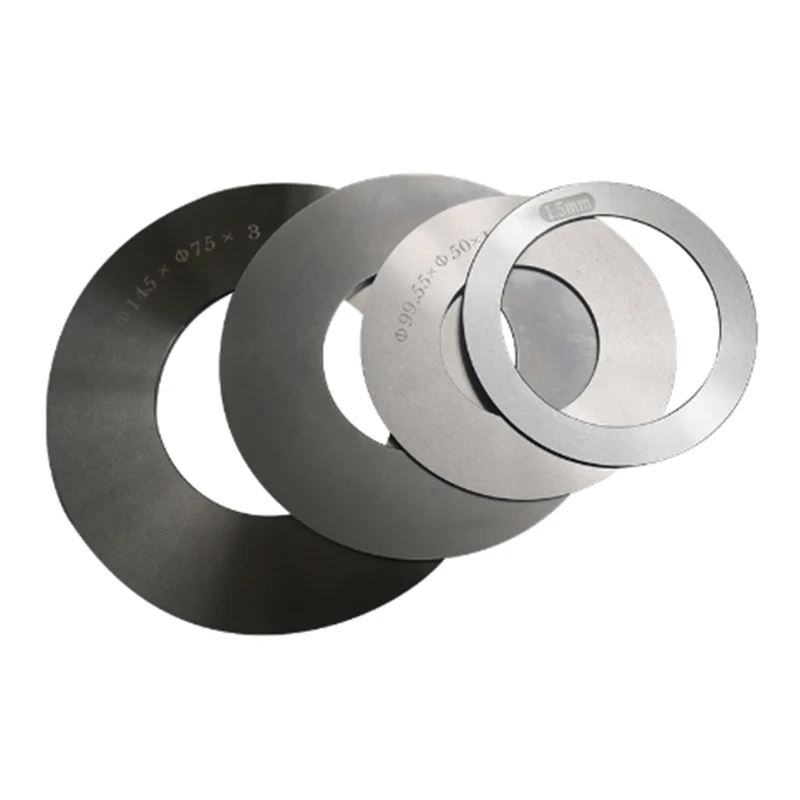
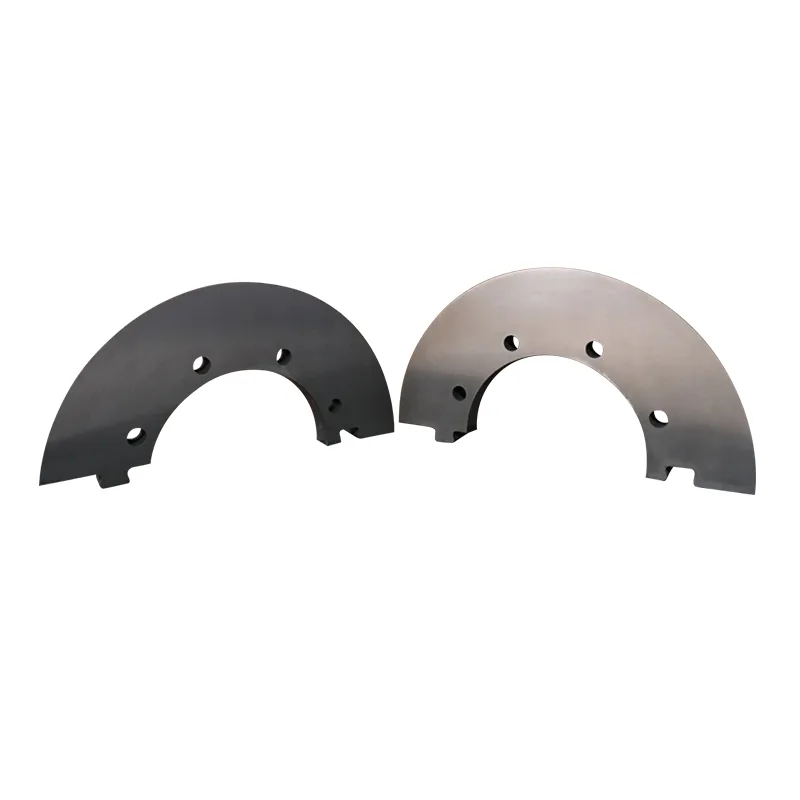
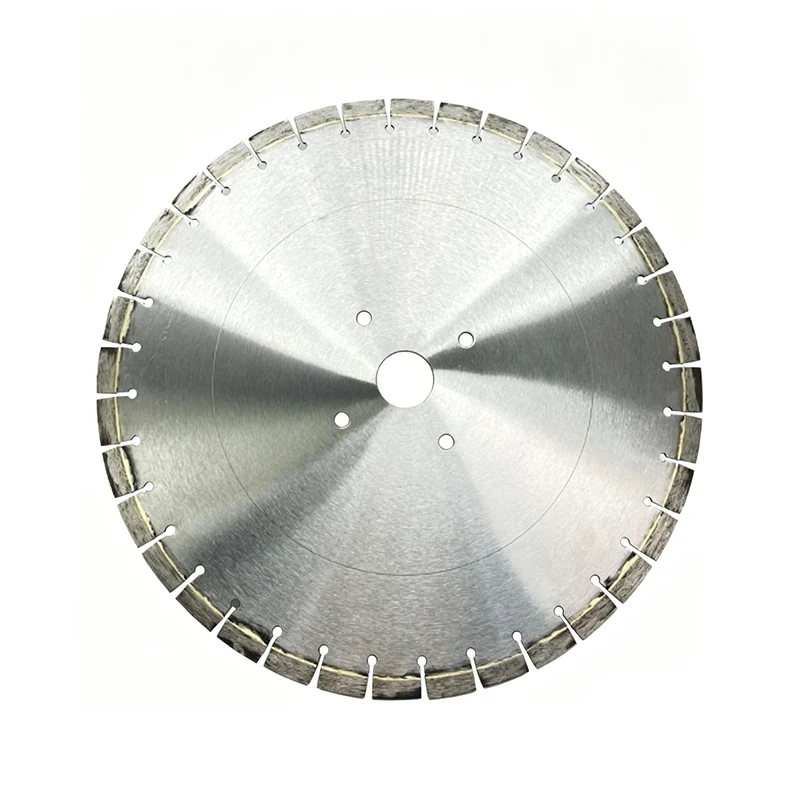
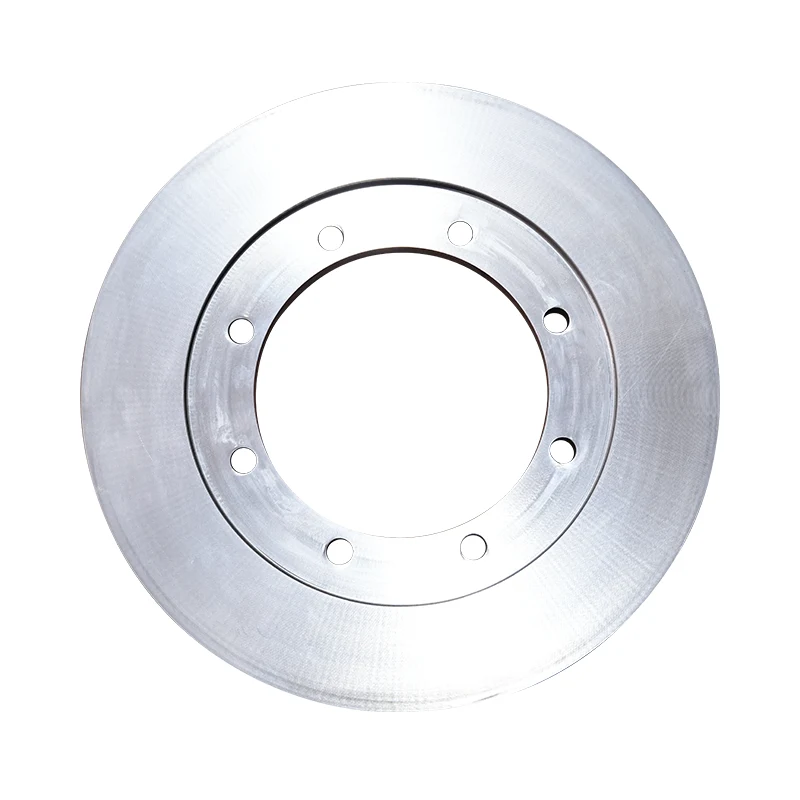
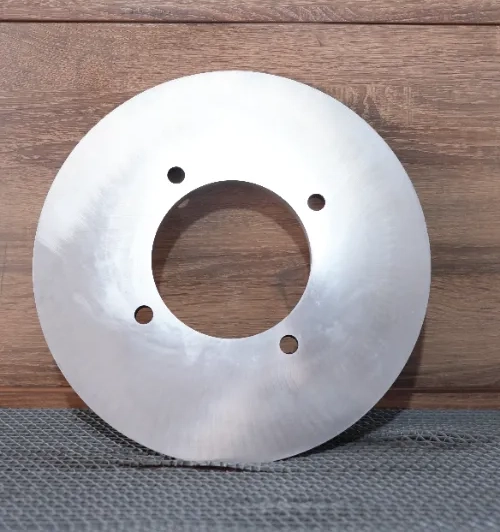
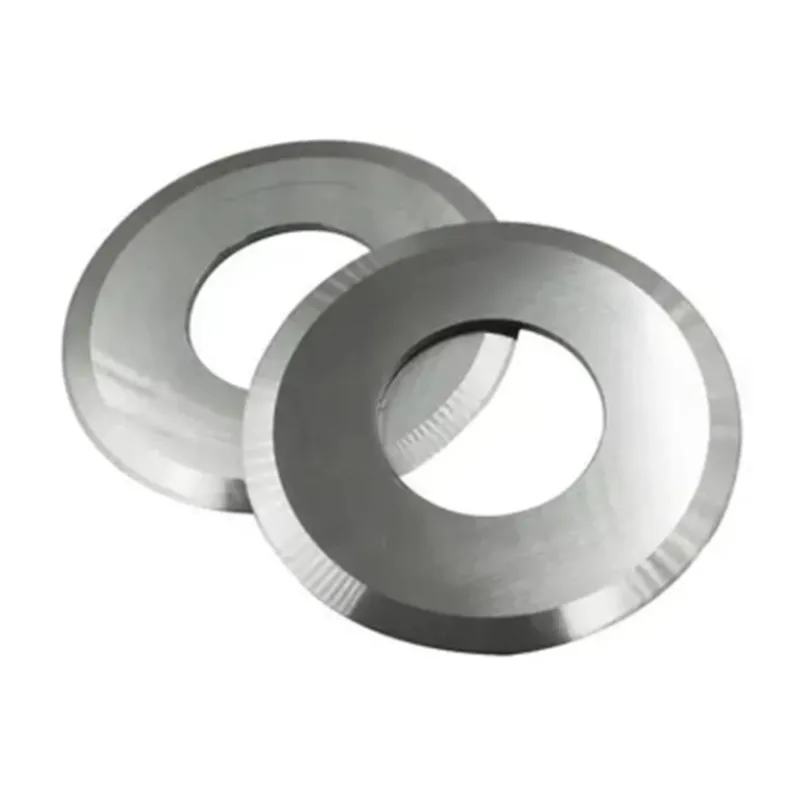
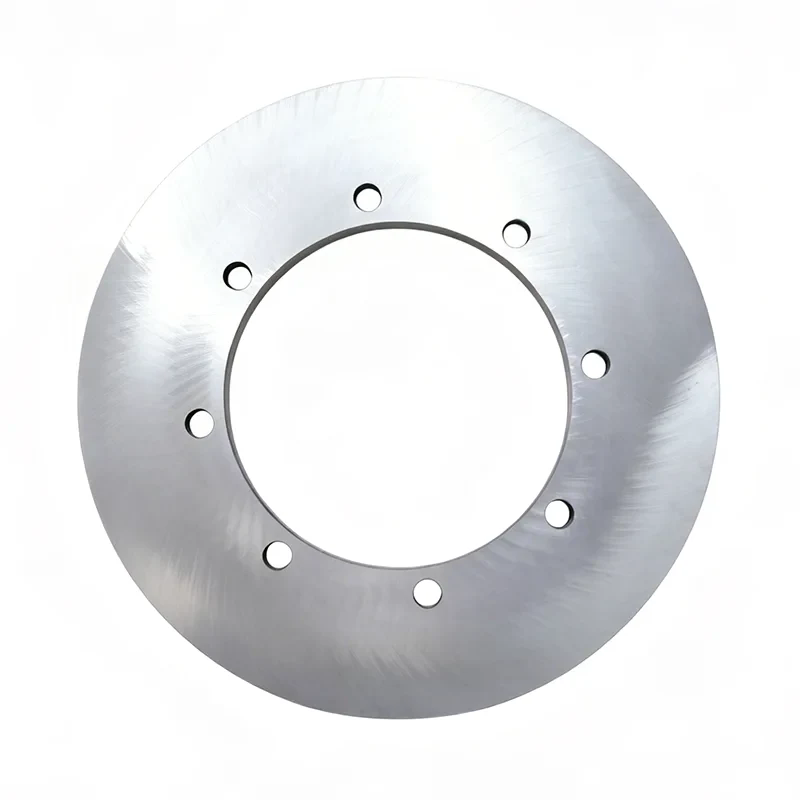
Industrial cutting applications require different blade designs depending on the material and cutting process.
| Blade Type | Main Application | Key Advantage |
|---|---|---|
| Straight Blade | Paper, film, textiles | Precise linear cutting |
| Circular Blade | Slitting and continuous cutting | High-speed operation |
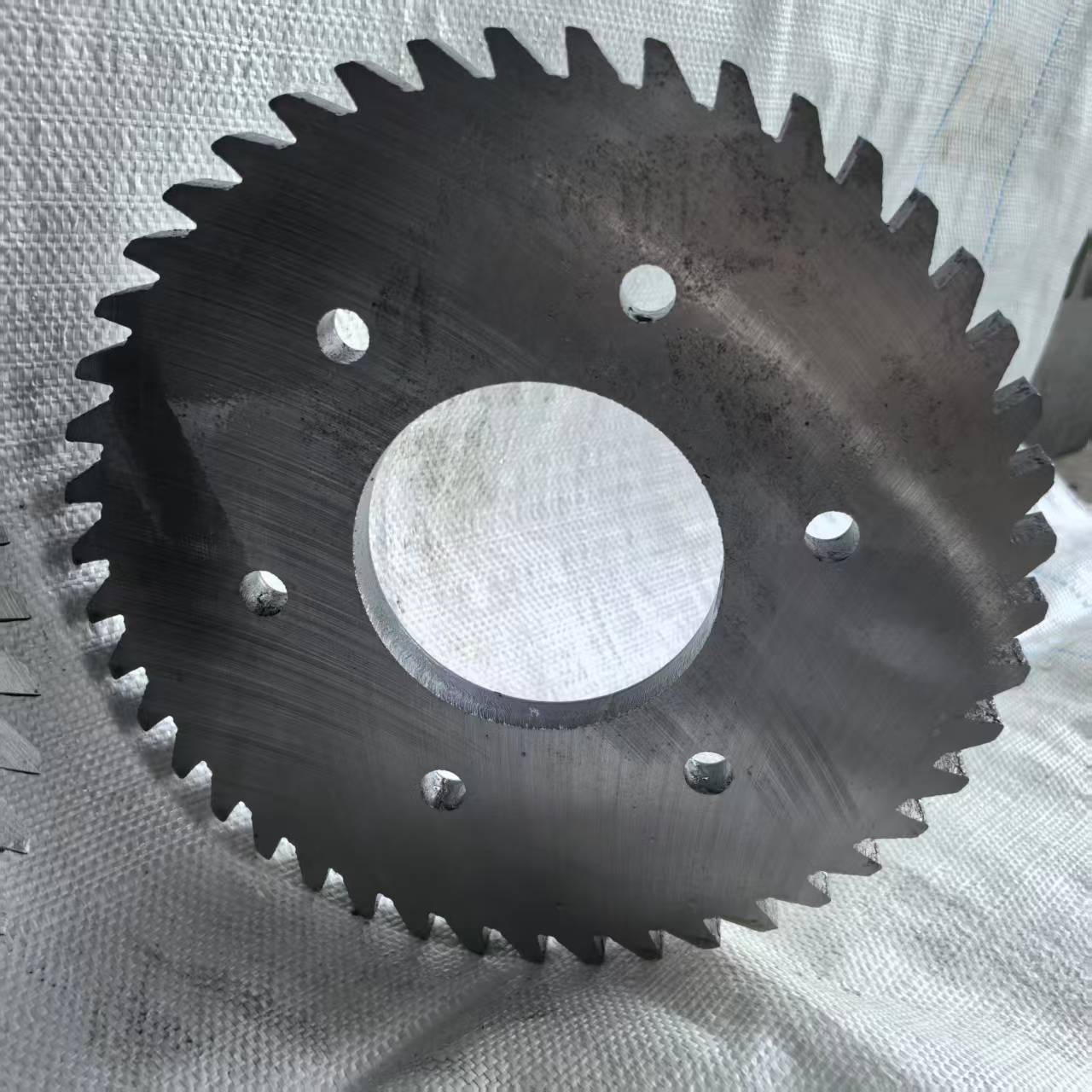
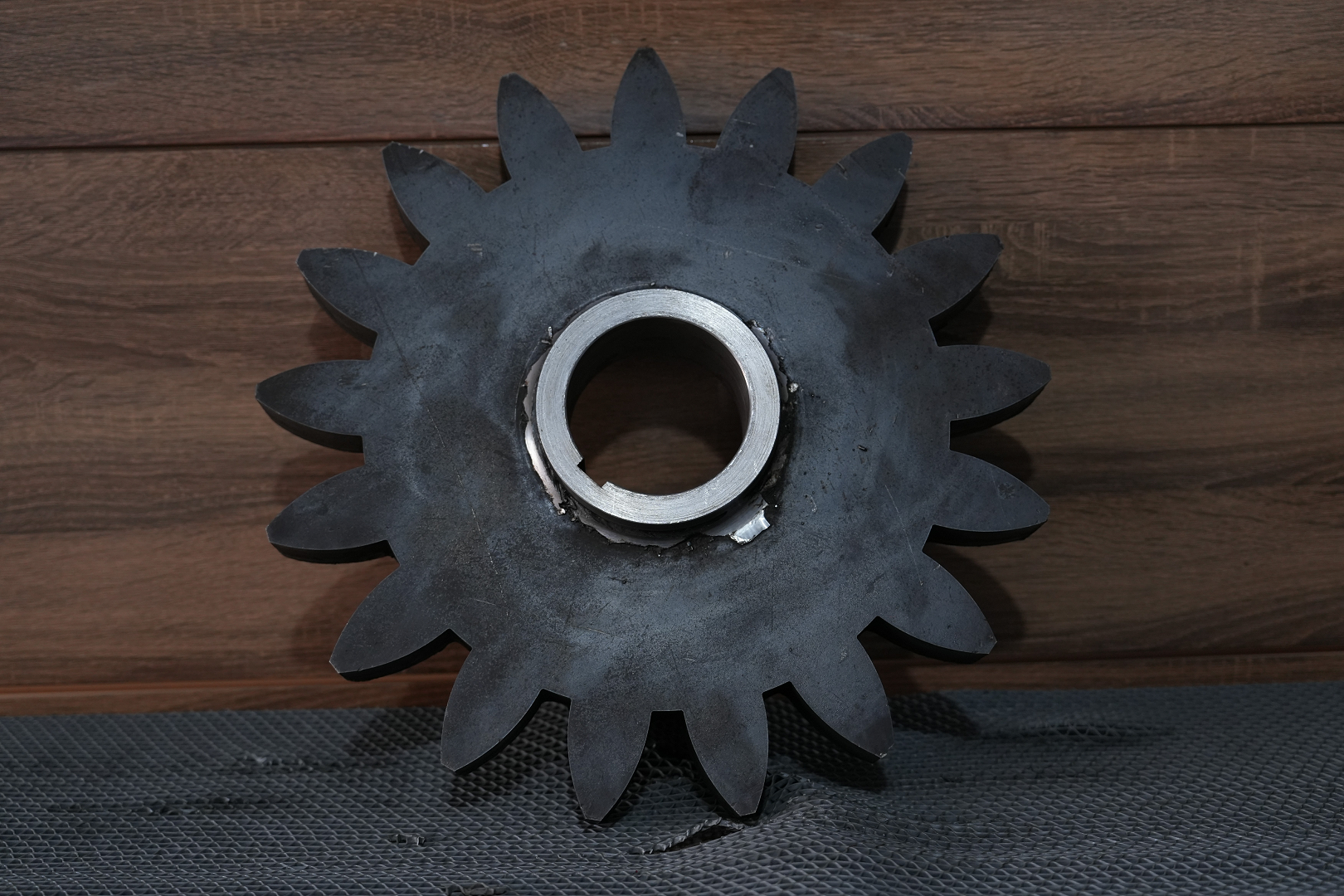
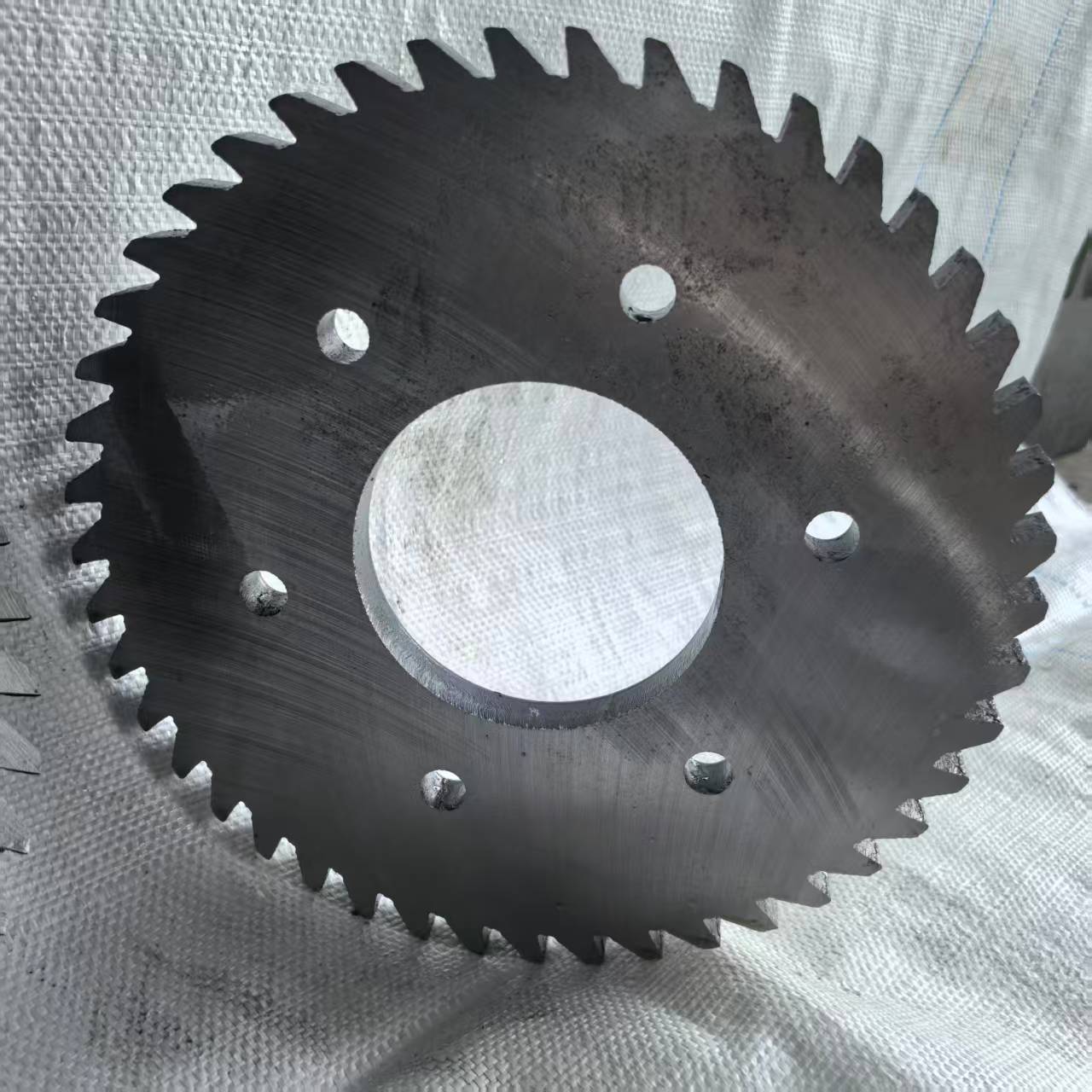
| Toothed Blade | Rubber and foam | Improved gripping ability |
| Serrated Blade | Flexible materials | Reduced slipping |
| Crush Cutting Blade | Packaging materials | Efficient processing |
| Shear Cutting Blade | Precision converting lines | Excellent edge quality |
Each blade design is engineered to address specific production challenges and material characteristics.
Blade material significantly affects durability, wear resistance, corrosion resistance, and cutting performance.
High carbon steel blades offer excellent sharpness and cost-effectiveness. They are commonly used for applications involving paper, cardboard, and lightweight materials.
Stainless steel blades provide corrosion resistance and are suitable for environments where moisture or chemical exposure is present.
Tool steel delivers superior toughness and wear resistance, making it ideal for demanding industrial cutting tasks.
Carbide blades are known for exceptional hardness and extended service life. They are widely used in high-volume production environments.
Advanced powder metallurgy materials combine hardness, toughness, and wear resistance, making them suitable for specialized industrial applications.
Several important factors should be evaluated before purchasing a cutting blade.
The physical properties of the material determine the blade specifications required.
High-speed production lines often require premium blade materials and specialized coatings to maintain performance.
Industries producing high-precision products need blades manufactured with strict dimensional tolerances.
Blade thickness influences rigidity and cutting force. Thinner blades reduce material resistance, while thicker blades provide greater stability.
Single-bevel, double-bevel, serrated, and custom edge profiles affect cutting quality and blade lifespan.
Factors such as temperature, humidity, dust, and exposure to chemicals should be considered during blade selection.
| Material | Wear Resistance | Corrosion Resistance | Cost Level | Typical Use |
|---|---|---|---|---|
| High Carbon Steel | Moderate | Low | Low | Paper, cardboard |
| Stainless Steel | Moderate | High | Medium | Food and packaging |
| Tool Steel | High | Moderate | Medium | Industrial processing |
| Tungsten Carbide | Very High | High | High | Heavy-duty production |
| Powder Metallurgy Steel | Excellent | High | Premium | Advanced manufacturing |
Cutting blades are essential components in numerous industries.
Each application requires customized blade characteristics to maximize productivity and ensure consistent performance.
Proper maintenance significantly increases blade lifespan and reduces replacement costs.
Preventive maintenance programs often reduce total blade-related expenses while improving production reliability.
Many businesses unknowingly reduce efficiency by making avoidable blade selection errors.
Avoiding these mistakes can lead to measurable improvements in productivity and product quality.
Replacement frequency depends on material type, production volume, blade material, and operating conditions. Regular inspections help determine the optimal replacement schedule.
Tool steel and tungsten carbide are commonly selected for rubber processing due to their wear resistance and durability.
Yes. Advanced coatings can reduce friction, improve wear resistance, minimize heat buildup, and extend blade lifespan.
Common causes include improper blade selection, excessive cutting force, poor machine alignment, inadequate maintenance, or unsuitable operating conditions.
For specialized applications, custom-engineered blades often provide better performance, higher productivity, and lower long-term operating costs.
Choosing the right cutting blade is critical for achieving consistent product quality, maximizing operational efficiency, and reducing manufacturing costs. By evaluating material characteristics, blade geometry, operating conditions, and maintenance requirements, businesses can significantly improve cutting performance while extending blade service life.
As an experienced industrial blade manufacturer, Xinzhe Blades provides precision-engineered cutting blade solutions for rubber, plastic, paper, film, foam, packaging, and various industrial applications. Whether you need standard blades or customized solutions tailored to your production process, our technical team can help identify the most suitable option for your requirements.
Ready to improve cutting efficiency, reduce downtime, and lower production costs? Contact Xinzhe Blades today and contact us for professional blade selection guidance, custom manufacturing support, and competitive solutions designed specifically for your industry.