
Article Summary
A cutting blade is a critical component in many industrial processing applications, directly affecting cutting accuracy, material waste, production speed, and operational costs. Choosing the right cutting blade requires a clear understanding of material properties, cutting conditions, blade design, and maintenance requirements. This article explains how cutting blades work, how they improve manufacturing efficiency, what factors influence blade performance, and how businesses can select suitable solutions for their production needs. With professional manufacturing experience, Xinzhe Blades provides reliable cutting blade solutions designed to help industries achieve stable, precise, and efficient cutting operations.
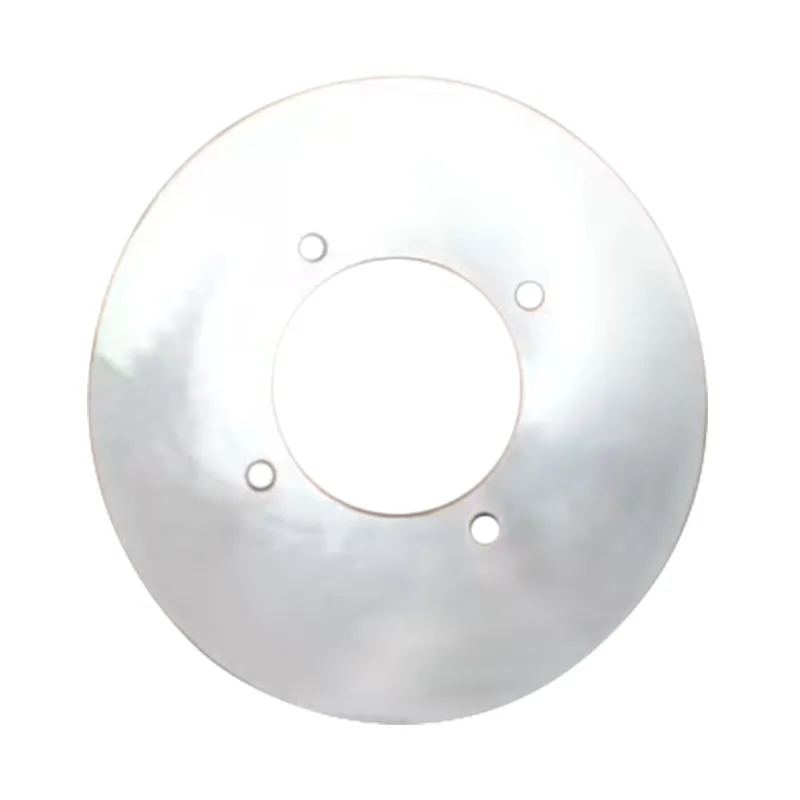
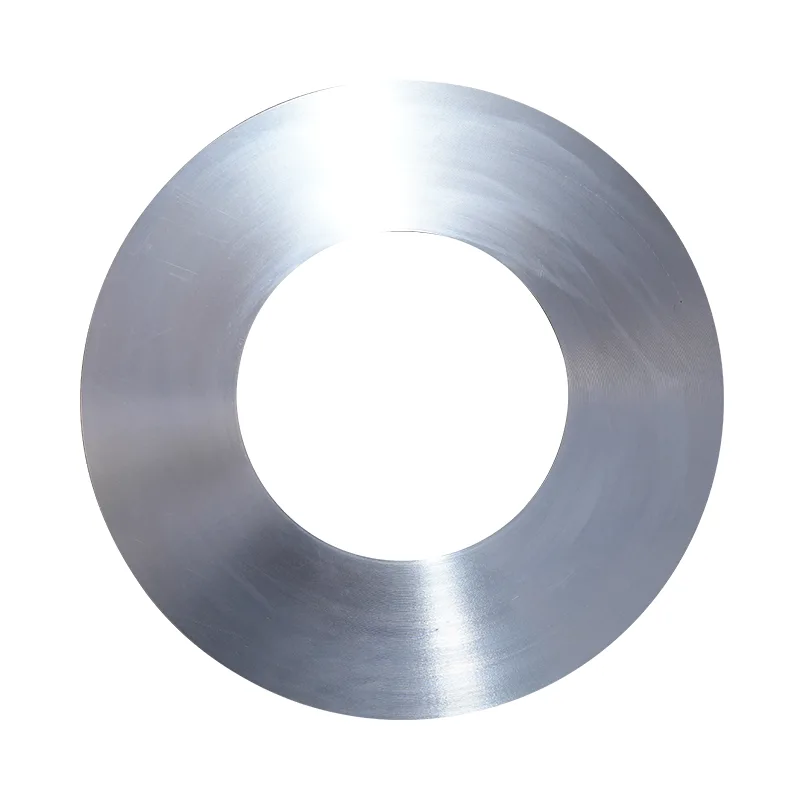
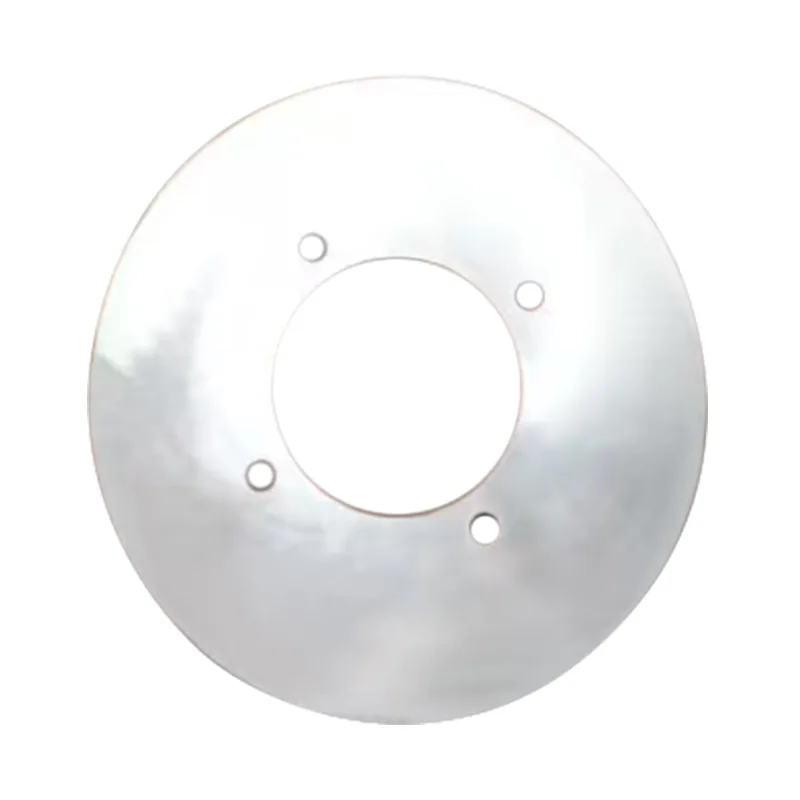
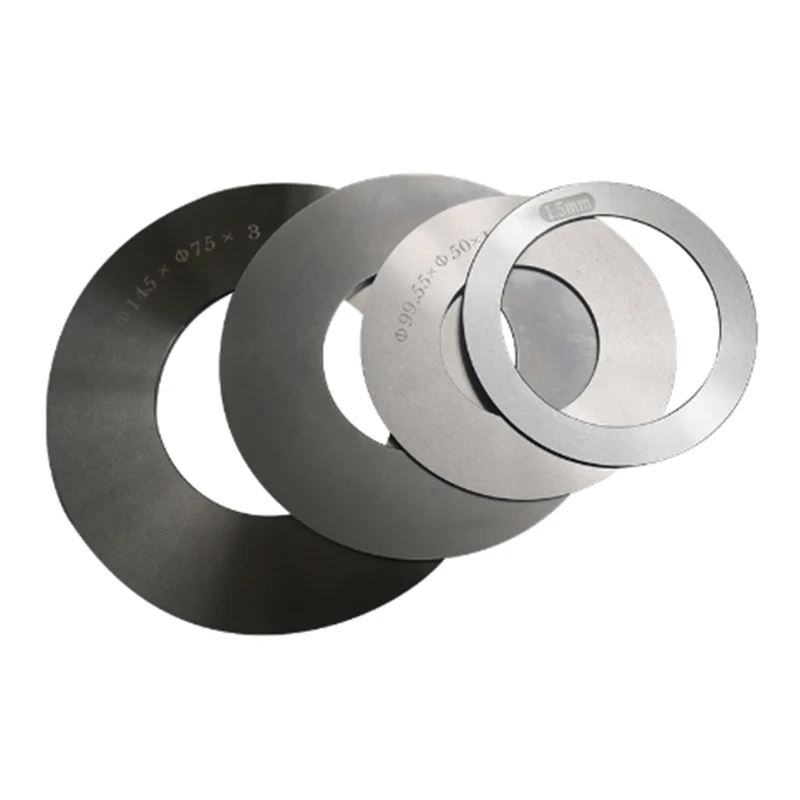
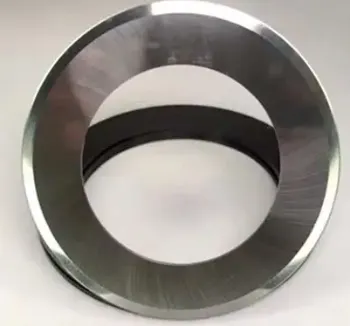
A cutting blade is an industrial tool designed to separate, trim, slice, or process different materials with precision. Depending on the application, cutting blades can be manufactured from various materials such as high-speed steel, tungsten carbide, stainless steel, or other specialized alloys.
Modern production environments require cutting tools that can maintain sharp edges, withstand continuous operation, and deliver consistent results. A properly designed cutting blade reduces production interruptions, improves product quality, and helps manufacturers control operating expenses.
Unlike ordinary cutting tools, industrial cutting blades are engineered according to specific working conditions. Factors including cutting speed, material hardness, thickness, temperature, and machine structure all influence the final blade design.
A cutting blade works by applying concentrated force through a sharp cutting edge to separate material fibers, layers, or structures. When the blade contacts the material, pressure is focused on a small area, allowing the blade edge to penetrate and complete the cutting process efficiently.
The cutting process usually involves several important stages:
A high-quality cutting blade maintains stable cutting force throughout production. This reduces vibration, prevents uneven edges, and improves overall manufacturing consistency.
Many manufacturers focus on machine performance but overlook the importance of blade quality. However, the cutting blade directly influences production efficiency and product reliability.
A poor-quality blade may create problems such as:
A durable cutting blade provides several advantages:
Selecting the correct cutting blade is essential for achieving the best production results. Different materials and applications require different blade structures and specifications.
Manufacturers should consider the following factors before selecting a cutting blade:
For example, softer materials may require blades with different edge angles compared with harder industrial materials. Using an unsuitable blade can increase friction, generate excessive heat, and shorten service life.
Cutting blades are widely used across multiple industries because precision cutting is essential for efficient production. Common applications include:
The versatility of cutting blades makes them an important part of automated and semi-automated production systems.
Even a high-quality cutting blade requires proper maintenance to achieve maximum performance. Regular inspection and correct operating practices can significantly extend blade lifespan.
Proper maintenance not only protects the blade but also improves machine efficiency and reduces unexpected production downtime.
Xinzhe Blades focuses on developing dependable cutting blade products that meet the practical requirements of modern industries. By combining suitable materials, advanced manufacturing processes, and strict quality control, the company provides cutting solutions designed for stable performance.
Customers choose Xinzhe Blades because of:
Every production environment has different challenges. A customized cutting blade solution can help businesses improve efficiency, reduce waste, and achieve better long-term results.
Q1: What materials can a cutting blade process?
Cutting blades can process many materials, including rubber, plastic, paper, textiles, packaging materials, and various industrial products. The correct blade material and design depend on the specific application.
Q2: How often should a cutting blade be replaced?
Replacement frequency depends on material hardness, production volume, operating speed, and maintenance practices. Regular inspection helps determine the right replacement timing.
Q3: Why does a cutting blade become dull quickly?
Rapid blade wear may result from unsuitable blade selection, excessive cutting pressure, improper machine settings, or processing materials that exceed the blade’s capability.
Q4: Can cutting blades be customized?
Yes. Cutting blades can be customized according to machine requirements, material characteristics, dimensions, and production conditions.
Q5: How can manufacturers improve cutting efficiency?
Using the correct cutting blade, maintaining equipment properly, and selecting blades designed for specific applications can significantly improve cutting efficiency and reduce production costs.
A cutting blade plays an essential role in achieving accurate, efficient, and reliable industrial cutting operations. The right blade selection can reduce waste, improve product quality, and increase production stability. Understanding blade design, application requirements, and maintenance methods helps manufacturers make better decisions.
With professional expertise and customer-focused solutions, Xinzhe Blades provides high-performance cutting blade products designed to support different industrial needs. For customized cutting solutions and reliable blade performance, contact us today to discuss your requirements and find the right cutting blade solution for your business.