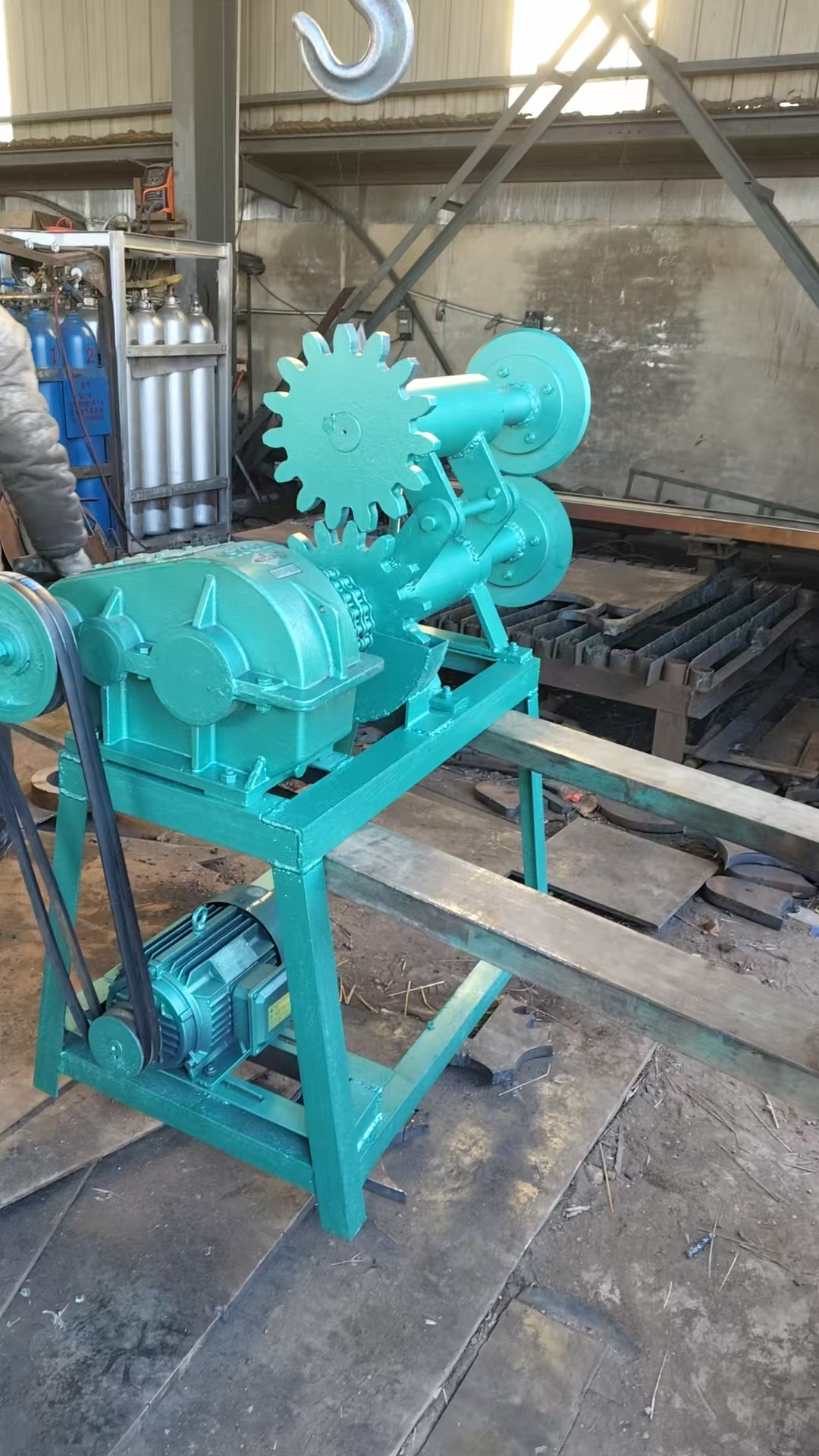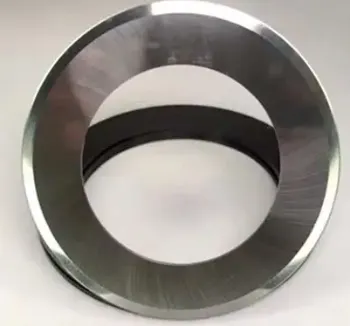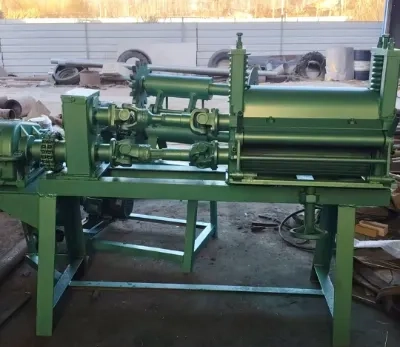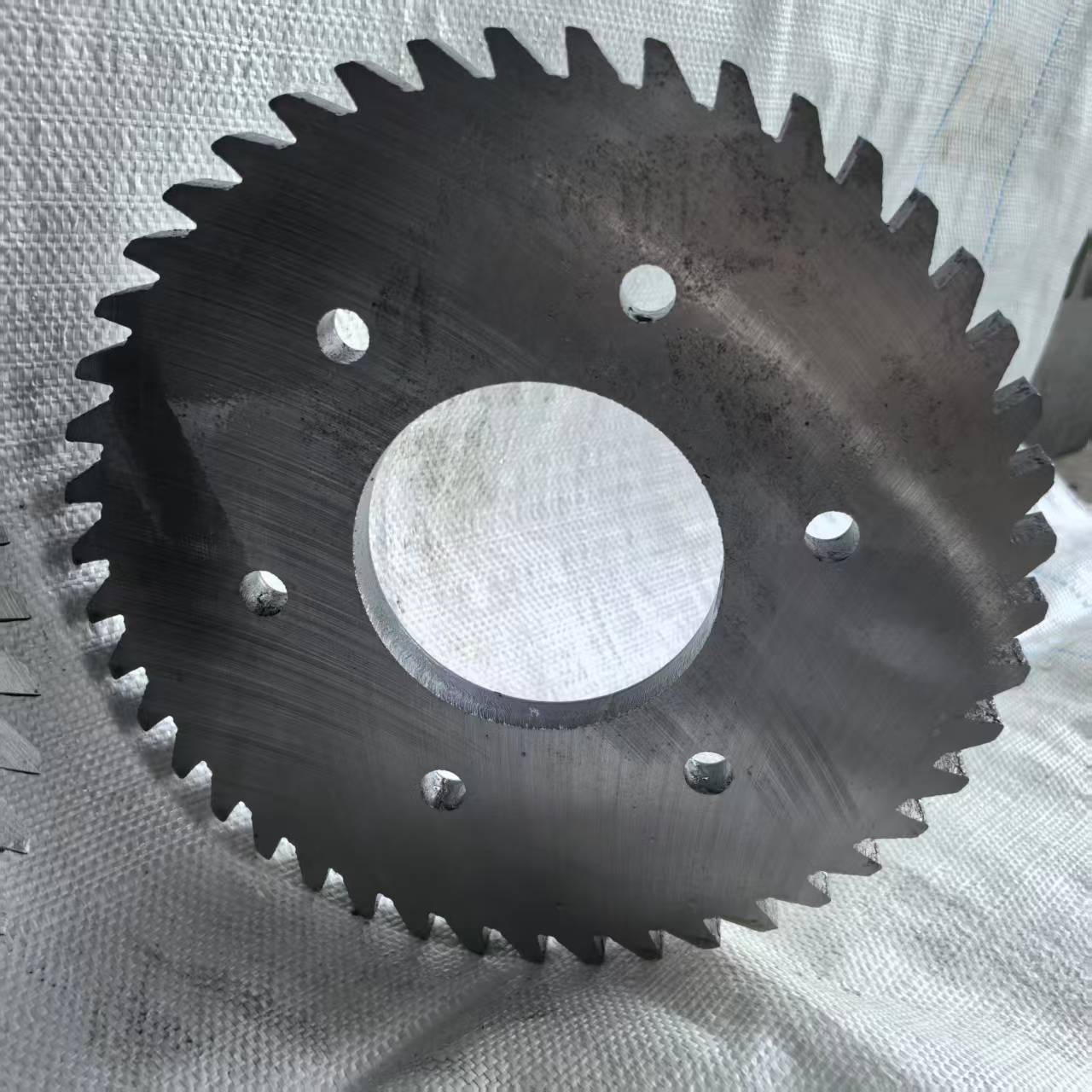

Article Summary: A Large Bevel Blade is a precision cutting component designed for demanding industrial slitting, trimming, recycling, and material-processing applications. Its bevel geometry directly influences cutting force, edge contact, material separation, vibration, burr formation, and blade service life. Choosing the correct diameter, bevel angle, material, hardness, thickness, and balance is therefore essential for maintaining stable production. This guide explains how Large Bevel Blade design affects cutting performance, how to select the right configuration for different materials, what causes premature blade failure, and how proper maintenance can reduce downtime and replacement costs. Xinzhe provides customized industrial blade solutions for applications where dimensional accuracy, wear resistance, and reliable cutting performance are critical.
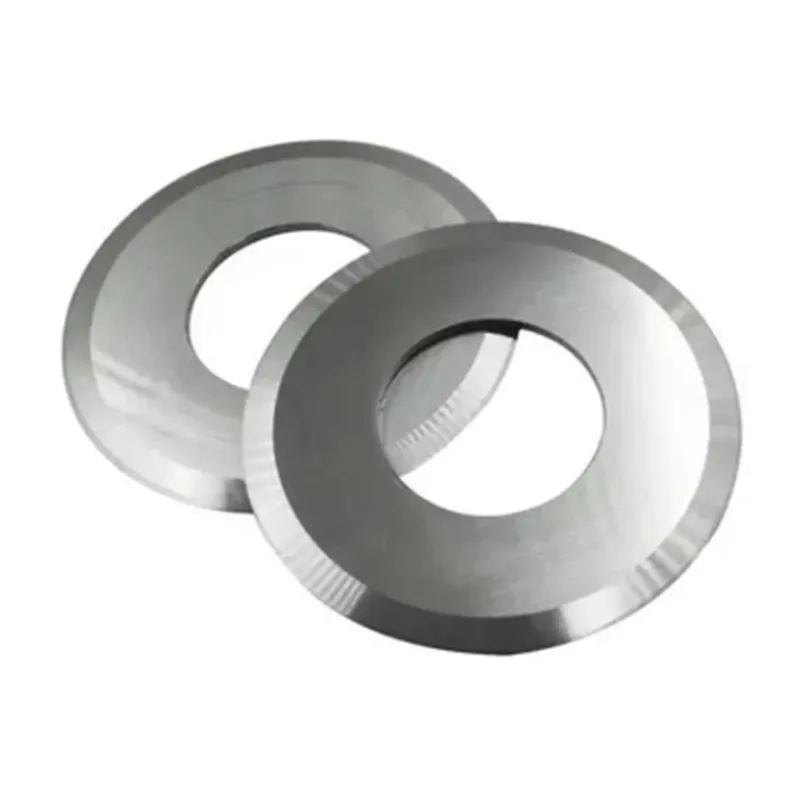
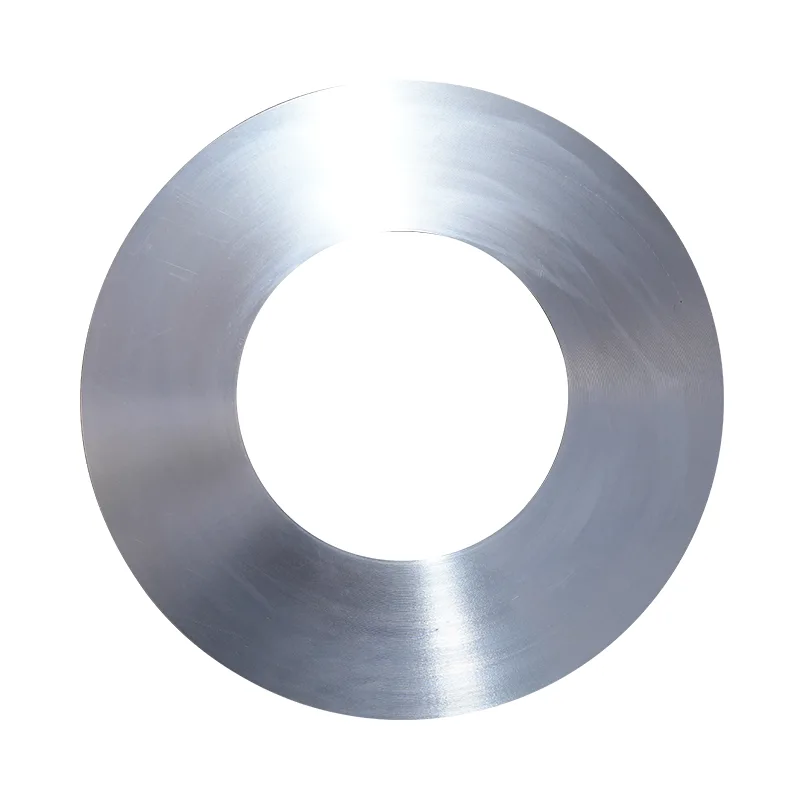
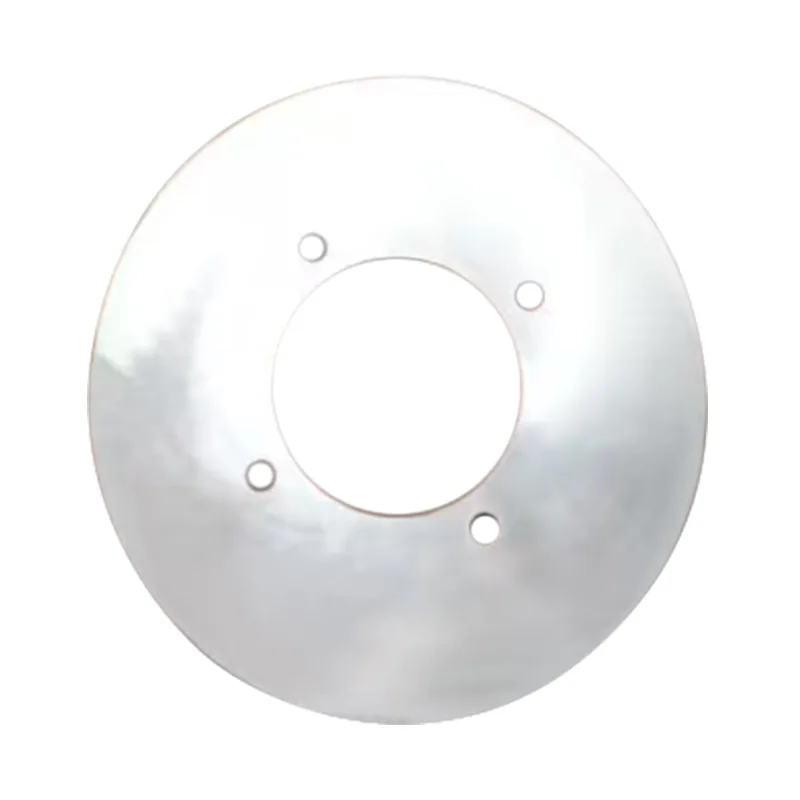
A Large Bevel Blade is a circular industrial cutting blade characterized by a deliberately angled cutting edge. Unlike a simple flat-edge circular knife, the bevel creates a controlled transition between the blade body and cutting edge. This geometry can reduce the amount of material simultaneously contacting the blade and can help the cutting edge enter the workpiece progressively.
In industrial production, this design is particularly useful when materials must be slit, trimmed, separated, shredded, or processed continuously. The blade may operate at relatively high rotational speeds, making dimensional accuracy and balance just as important as sharpness.
A properly manufactured Large Bevel Blade can help manufacturers address several common production problems:
The actual result depends on the complete blade system rather than the blade alone. Blade geometry, material, hardness, machine setup, cutting clearance, rotational speed, feed rate, and workpiece characteristics must work together.
The bevel angle is one of the most important characteristics of an industrial circular blade. It determines how the cutting edge approaches the material and influences the distribution of cutting forces.
A suitable bevel can make the cutting action more progressive. Instead of presenting a broad section of the blade edge to the material at once, the angled edge can establish a more controlled cutting path. This is particularly valuable in applications involving continuous slitting.
When the cutting edge is appropriately designed, the blade can enter the material with less unnecessary resistance. Lower cutting resistance may reduce the load placed on the drive system and help maintain more consistent machine operation.
Blade geometry also affects the appearance and dimensional consistency of the finished edge. In flexible materials, an unsuitable bevel may pull, stretch, or deform the material instead of cleanly separating it. In metal slitting, incorrect geometry can contribute to burrs and edge deformation.
Large circular blades often operate at significant rotational speeds. Even a small dimensional or balance error can become more noticeable as rotational speed increases. A properly manufactured blade with controlled geometry and balance can contribute to smoother operation.
For this reason, selecting a Large Bevel Blade should never be based only on outside diameter. The complete cutting geometry must match the machine and material.
Different production lines place very different demands on their cutting tools. A blade that performs well when processing rubber may not be appropriate for thin metal strip, film, paper-plastic laminates, or other flexible materials.
| Selection Factor | Why It Matters | Typical Consideration |
|---|---|---|
| Blade Diameter | Determines compatibility with the machine and cutting system | Equipment specifications and required cutting depth |
| Blade Thickness | Influences rigidity, kerf, and cutting resistance | Material thickness and required cut width |
| Bevel Angle | Controls edge engagement and cutting behavior | Material hardness and application requirements |
| Material | Determines wear resistance and toughness | Rubber, metal, film, paper, composite, or other materials |
| Hardness | Affects edge retention and resistance to deformation | Balanced against impact and chipping risk |
| Balance | Important for smooth high-speed rotation | Static or dynamic balancing requirements |
| Surface Finish | Can influence friction and material handling | Application-specific finishing requirements |
For example, increasing hardness is not automatically the best solution for every application. A very hard cutting edge may retain sharpness effectively, but if the operating environment contains heavy impacts, excessive hardness without sufficient toughness may increase the risk of chipping.
The objective should therefore be a balanced blade specification rather than maximizing a single parameter.
Blade material directly affects wear behavior, edge retention, toughness, machinability, and resistance to the operating environment. The correct material depends on what the blade must cut and how the machine operates.
For industrial applications, common considerations include:
Heat treatment is equally important. The objective is not simply to produce a hard blade, but to establish a controlled combination of hardness and toughness throughout the cutting component.
For demanding industrial blades, Xinzhe uses precision machining, grinding, heat-treatment processes, and inspection procedures to maintain consistent blade performance. Depending on the application, its Large Bevel Blade products can be manufactured with hardness specifications around HRC 60–63, while the final specification should always be selected according to actual working conditions.
Large Bevel Blades are used across industries where circular cutting tools must deliver repeatable separation or slitting performance.
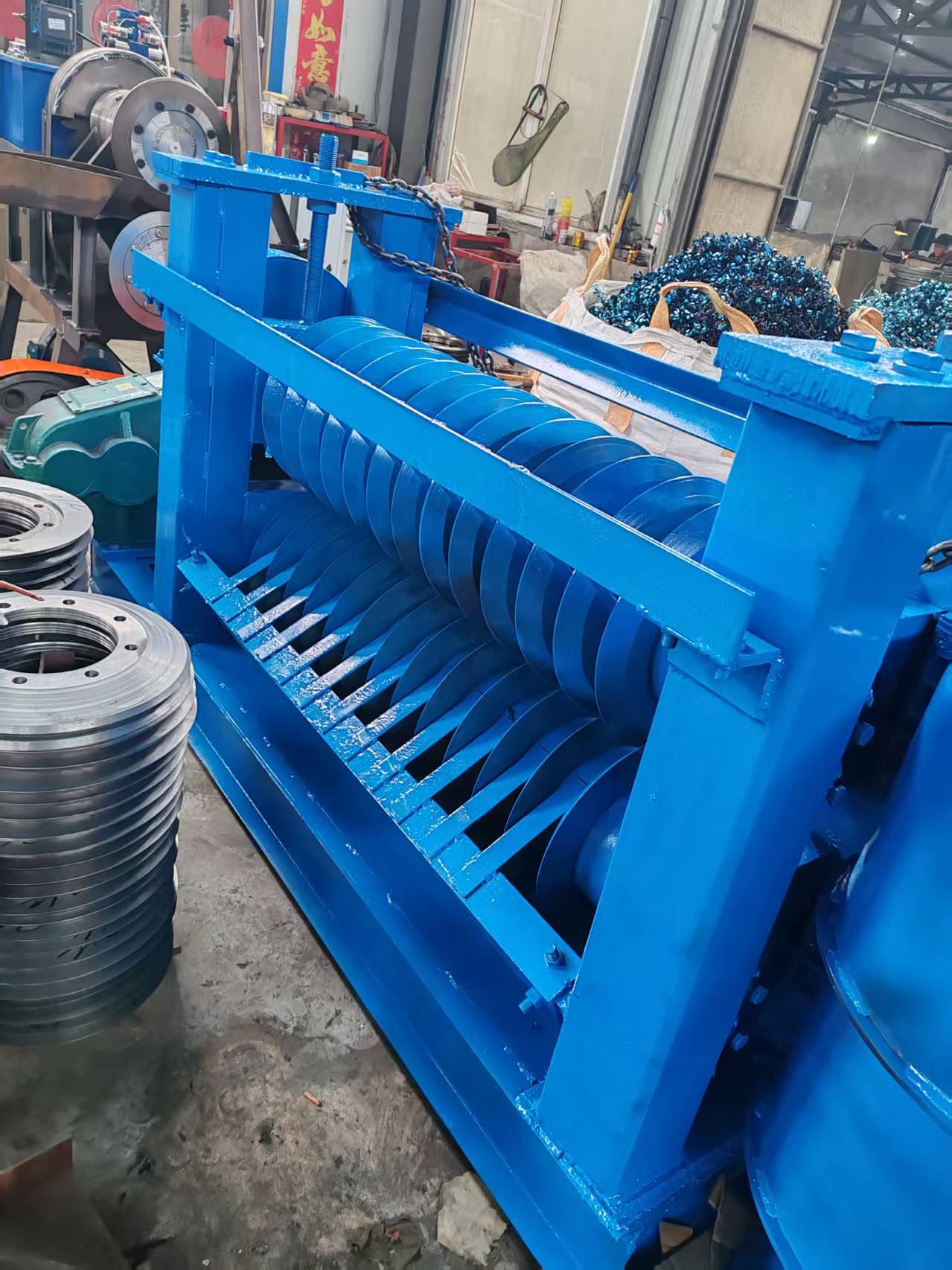
Waste tires and rubber products can place severe mechanical demands on cutting tools. Embedded reinforcement, inconsistent material thickness, and abrasive rubber compounds can accelerate edge wear.
A properly selected Large Bevel Blade can provide a combination of cutting stability, wear resistance, and impact tolerance required for tire dismantling, strip cutting, and rubber processing systems.
Metal slitting requires precise control of blade geometry and cutting clearance. Aluminum, stainless steel, and other metal strips can produce different cutting loads and edge conditions.
Blade thickness, bevel geometry, hardness, runout, and alignment should be evaluated together. Even a high-quality blade can produce poor results when installed with incorrect clearance or alignment.
Flexible materials can be deceptively difficult to cut. Excessive cutting force may stretch or deform the material instead of producing a clean separation.
Thin bevel geometry and a sharp, accurately ground edge can be particularly useful when the objective is a clean slit with minimal material distortion.
Circular cutting components are also used in food-processing equipment. In these applications, material selection, surface condition, cleanability, and application-specific hygiene requirements become important considerations in addition to cutting performance.
Many blade failures are not caused by the blade material alone. Incorrect machine setup, excessive feed pressure, poor alignment, improper storage, or unsuitable cutting parameters can significantly shorten service life.
Possible causes:
Practical response: Review the workpiece characteristics, cutting speed, blade material, and hardness as a complete system rather than replacing the blade with the same specification.
Chipping can occur when the edge encounters unexpected impacts, hard inclusions, excessive vibration, or a blade specification that prioritizes hardness without sufficient toughness.
Check machine alignment, blade mounting, workpiece consistency, and operating conditions before simply selecting a harder blade.
Vibration can originate from blade imbalance, shaft runout, incorrect mounting, worn machine components, or unsuitable rotational speed. Because large circular blades can amplify small mechanical errors at high speed, balancing and runout inspection are important.
A rough edge may result from a dull blade, incorrect bevel geometry, insufficient blade stiffness, excessive feed rate, or unsuitable cutting clearance.
The correct solution should be based on the specific material and machine rather than assuming that a sharper blade alone will solve the problem.
If a blade repeatedly fails earlier than expected, record the actual operating conditions:
This information gives a manufacturer a much better basis for optimizing the next blade specification.
Xinzhe focuses on industrial cutting components where customers need more than a standard catalog dimension. Its manufacturing capability covers circular blades in a broad range of diameters, with precision machining and grinding used to control critical dimensions and cutting geometry.
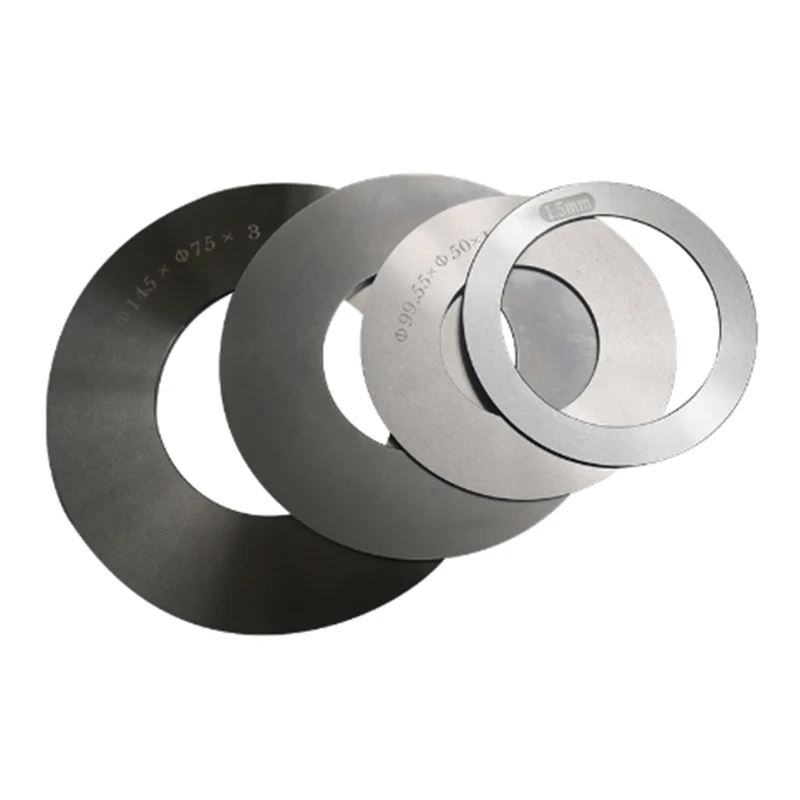
According to the product information provided by Xinzhe, its manufacturing capability covers circular blade diameters from approximately φ30 mm to φ420 mm, with dimensional tolerance capabilities reaching approximately ±0.01 mm for suitable features and processes. The exact achievable tolerance depends on the blade configuration and inspection requirements.
Xinzhe's customization process can address several parameters:
The manufacturing process can include CNC turning, precision machining, grinding, heat treatment, cryogenic processing, and balancing inspection. Xinzhe also performs dimensional, hardness, runout, balancing, and final quality checks to help maintain consistency between production batches.
This approach is especially useful for OEM buyers and industrial distributors that need repeatable blade specifications rather than one-off replacement parts.
Before ordering a Large Bevel Blade, prepare the following information. Providing complete technical data can reduce specification errors and speed up the customization process.
Photos of the existing blade, machine mounting position, and finished cutting edge can also help engineers understand the application more accurately.
The primary advantage is controlled cutting-edge engagement. A suitable bevel geometry can help reduce unnecessary cutting resistance, improve cutting stability, and support cleaner material separation in demanding industrial applications.
Yes. Depending on the manufacturer and application, dimensions, bevel angle, material, hardness, mounting configuration, surface treatment, and balancing requirements can be customized.
Applications can include rubber, waste tires, metal strip, aluminum foil, stainless steel, film, packaging materials, paper-plastic composites, leather, and other industrial materials. The blade specification must be matched to the specific workpiece.
No. Higher hardness can improve resistance to wear, but excessive hardness may increase sensitivity to impact or chipping in some operating environments. The correct balance between hardness and toughness is more important than maximizing hardness alone.
Possible causes include blade imbalance, dimensional variation, shaft runout, incorrect installation, worn machine components, or unsuitable operating parameters. Static or dynamic balancing and machine alignment should be checked before changing the blade specification.
Start by checking blade sharpness, bevel geometry, blade clearance, alignment, material condition, and machine rigidity. Burr formation is usually a system-level issue rather than the result of one blade parameter.
There is no universal replacement interval. Service life depends on material abrasiveness, cutting speed, production volume, blade material, hardness, machine setup, and maintenance. Tracking actual operating hours and cut quality is a better basis for replacement planning.
Provide the blade dimensions, mounting details, material being cut, material thickness, machine model, operating speed, bevel requirements, current blade material, and any existing cutting problems. This allows the manufacturer to recommend a more suitable configuration.
A Large Bevel Blade is not simply a large circular knife with an angled edge. Its performance is determined by the interaction of blade geometry, material selection, hardness, precision grinding, balance, machine alignment, cutting clearance, and operating conditions.
For industrial users, the right blade should deliver a practical combination of cutting precision, wear resistance, stability, toughness, and service life. Choosing a specification solely by diameter or hardness can lead to unnecessary wear, poor cut quality, vibration, chipping, and production downtime.
Xinzhe provides customized Large Bevel Blade solutions for tire recycling, rubber processing, metal slitting, flexible material processing, food machinery, and other industrial cutting applications. By evaluating the actual working conditions and manufacturing requirements, customers can obtain blade configurations better matched to their equipment and production objectives.
Need a Large Bevel Blade matched to your machine and material? Share your blade dimensions, application, material, and operating requirements with Xinzhe. For customized specifications, OEM production, or industrial blade recommendations, contact us today and let Xinzhe help you develop a reliable cutting solution for your production line.