
Article Summary
A rotary cutter is one of the most efficient cutting tools used across industries such as rubber processing, paper manufacturing, textile production, packaging, film converting, and industrial material fabrication. Its circular blade design enables continuous, precise, and high-speed cutting while minimizing waste and downtime. This article explores how rotary cutters work, their advantages, applications, selection criteria, maintenance practices, and how businesses can maximize productivity through the right cutting solutions.
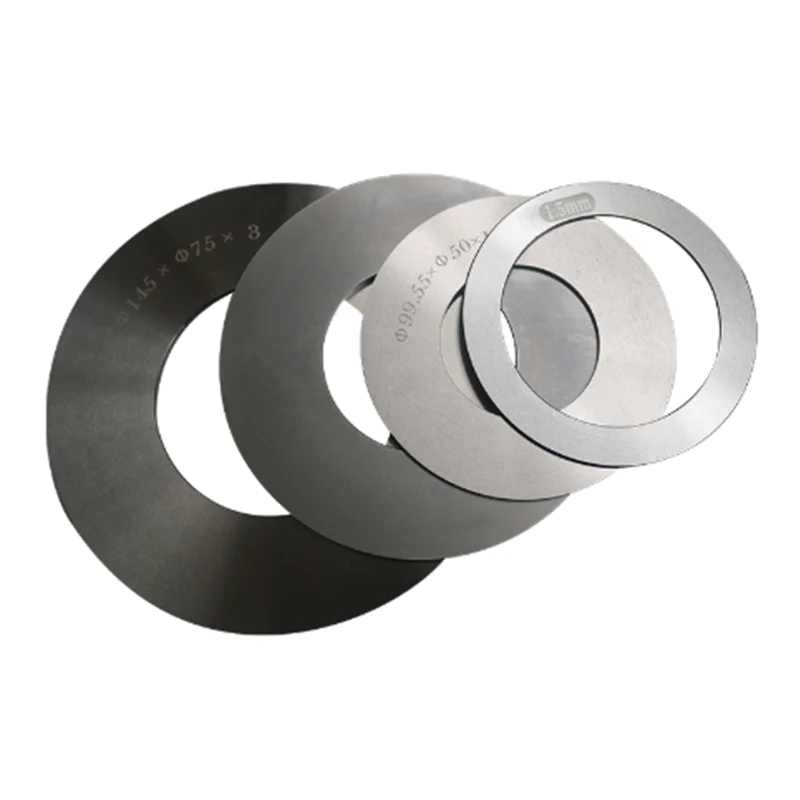
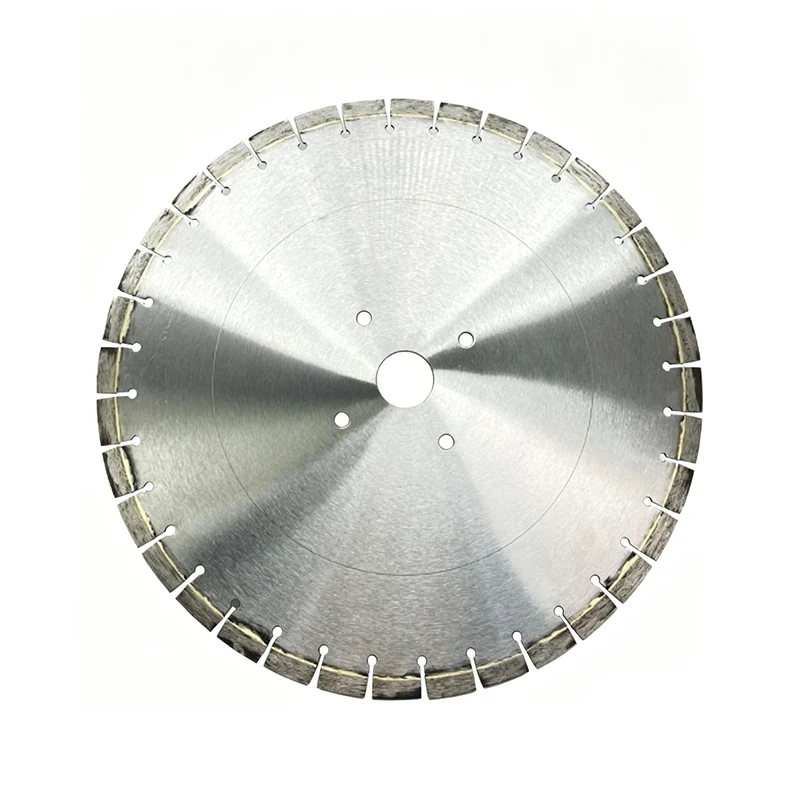
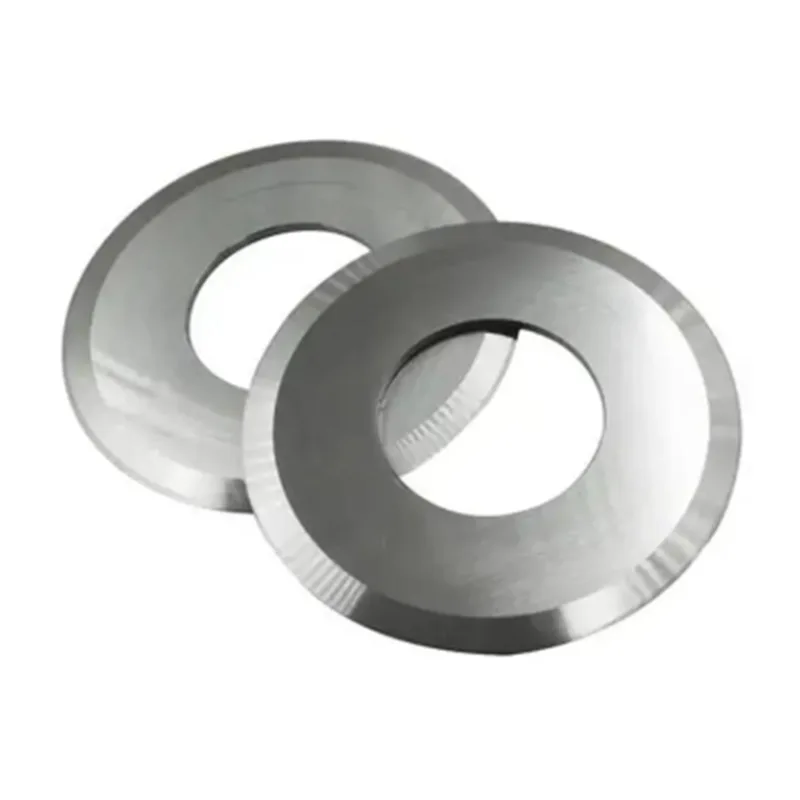
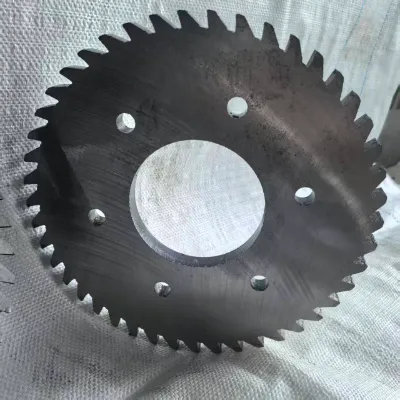
A rotary cutter is a cutting tool that utilizes a circular rotating blade to slice through materials with exceptional precision. Unlike straight knives or guillotine cutters that rely on a single downward motion, rotary cutters maintain continuous contact with the material, creating cleaner edges and smoother cuts.
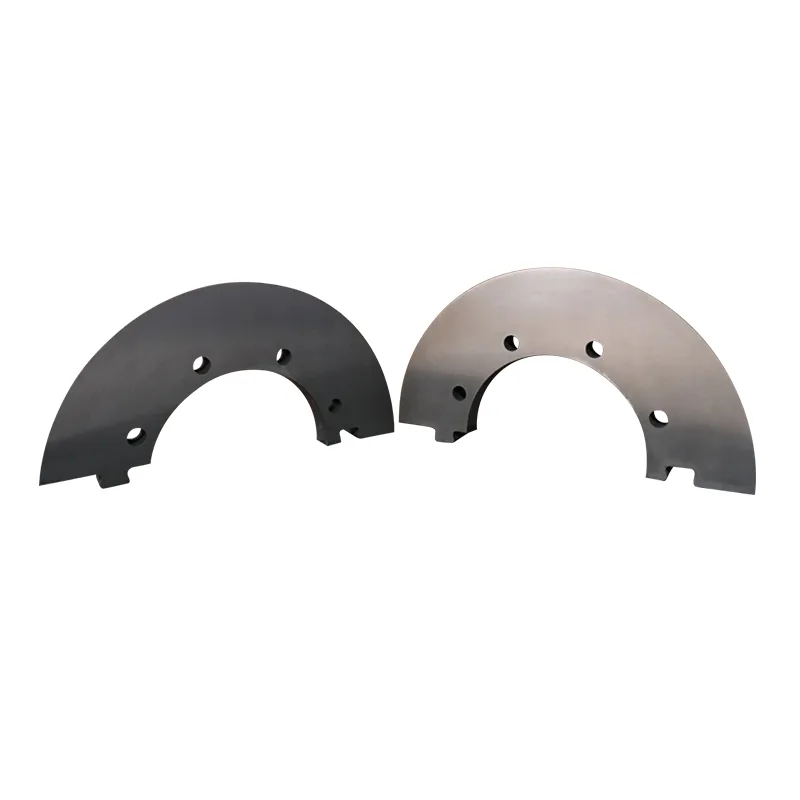
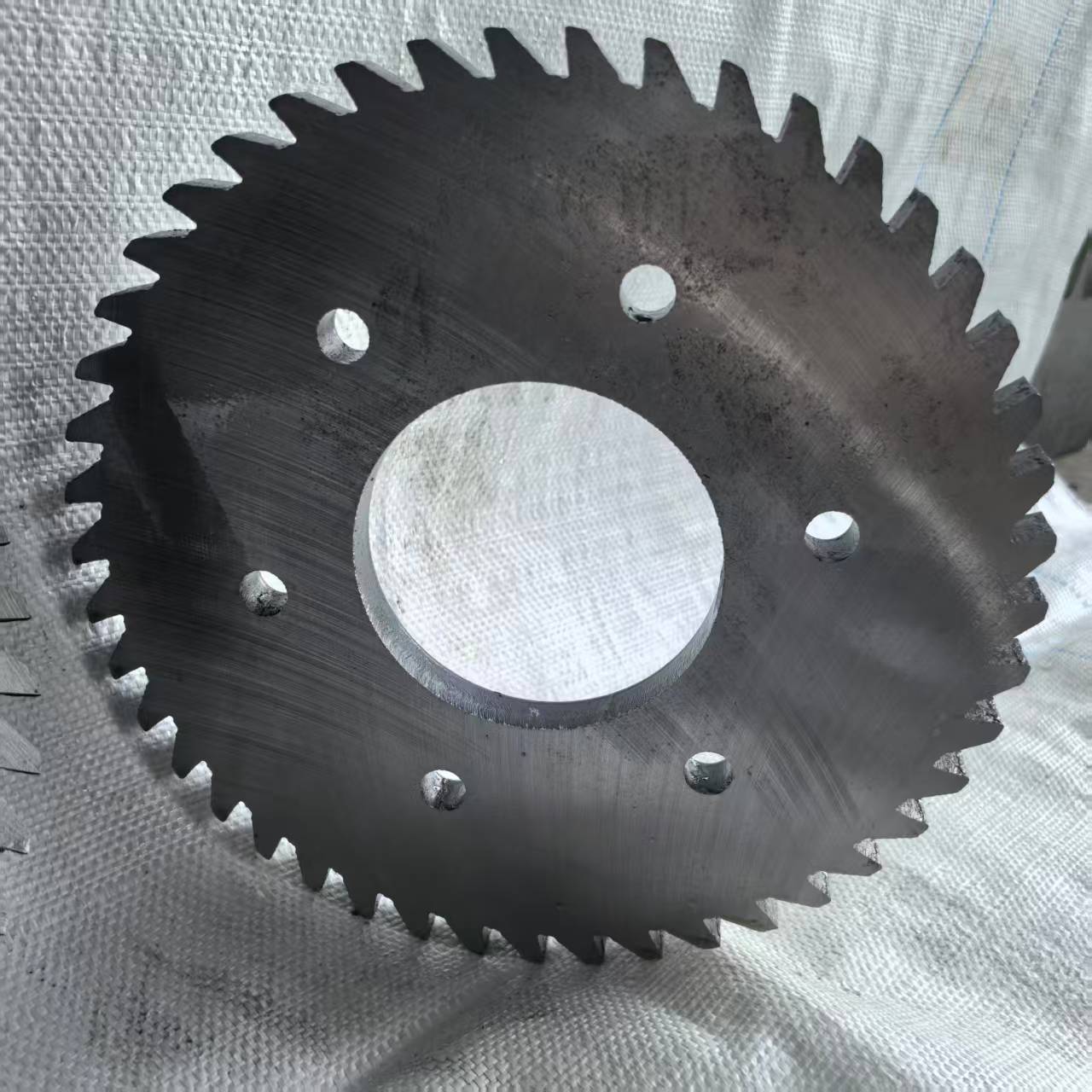
Rotary cutters are widely used in industrial production environments where accuracy, consistency, and high throughput are critical. Depending on the application, rotary blades may be manufactured from high-speed steel, tungsten carbide, alloy steel, or specialized wear-resistant materials.
Modern rotary cutters can be customized for cutting:
Because of their versatility, rotary cutters have become an essential component in automated manufacturing systems.
The operating principle of a rotary cutter is relatively straightforward yet highly effective. A circular blade rotates at a controlled speed while the material moves through the cutting zone. Depending on the design, the blade may cut against:
As the blade rotates, it continuously shears the material, producing uniform cuts with minimal deformation.
The cutting process generally follows these steps:
This continuous motion allows manufacturers to achieve significantly higher production speeds compared to traditional cutting methods.
Manufacturers invest in rotary cutting technology because it directly addresses several common production challenges.
| Benefit | Description |
|---|---|
| High Precision | Produces consistent dimensions and clean edges. |
| Fast Production | Supports continuous operation at high speeds. |
| Reduced Waste | Accurate cutting minimizes material loss. |
| Lower Maintenance | Quality blades maintain sharpness longer. |
| Improved Product Quality | Reduces defects and edge damage. |
| Automation Friendly | Integrates easily with modern production lines. |
For companies facing challenges such as inconsistent cuts, excessive scrap rates, frequent blade replacement, or production bottlenecks, a properly designed rotary cutter can provide a highly effective solution.
Rotary cutters are used in a wide range of manufacturing sectors due to their adaptability and precision.
Rubber Industry
In rubber processing, rotary cutters are frequently used to cut sheets, strips, conveyor belt materials, gaskets, and molded components. Precision cutting helps reduce waste and ensures dimensional consistency.
Paper and Packaging Industry
Packaging manufacturers rely on rotary cutters to process paper rolls, cardboard sheets, labels, and flexible packaging materials efficiently.
Textile Industry
Fabric manufacturers use rotary cutting systems to achieve accurate patterns and smooth edges while maintaining production speed.
Plastic Film Industry
Plastic films require clean, burr-free cuts. Rotary cutters help maintain product quality while reducing material distortion.
Foam Processing
Foam materials often deform under traditional cutting methods. Rotary cutting provides cleaner results with less compression damage.
Composite Material Manufacturing
Advanced composites require precise cutting to maintain structural integrity and performance standards.
| Feature | Rotary Cutter | Traditional Knife Cutter |
|---|---|---|
| Cutting Speed | High | Moderate |
| Precision | Excellent | Variable |
| Material Waste | Low | Higher |
| Automation Capability | Excellent | Limited |
| Blade Life | Long | Shorter |
| Production Efficiency | High | Moderate |
The comparison clearly demonstrates why rotary cutters have become the preferred choice for many industrial applications requiring high-volume production and tight tolerances.
Selecting the correct rotary cutter is critical for achieving optimal results. Several factors should be evaluated before making a purchasing decision.
1. Material Type
Different materials require different blade geometries and hardness levels. Rubber, textiles, films, and paper all present unique cutting challenges.
2. Material Thickness
The thickness of the material directly influences blade design and cutting force requirements.
3. Production Volume
High-volume operations require blades capable of maintaining performance over extended production runs.
4. Cutting Accuracy Requirements
Industries with strict tolerance specifications may require custom-engineered rotary cutting solutions.
5. Blade Material
6. Machine Compatibility
Ensure the rotary cutter dimensions, mounting specifications, and operational parameters match existing equipment.
Proper maintenance significantly extends blade lifespan and maintains cutting quality.
Preventive maintenance reduces downtime and helps maintain consistent production quality.
Many production issues can be traced back to avoidable errors.
Avoiding these mistakes can improve productivity and reduce operating costs.
Q1: What materials can a rotary cutter cut?
Rotary cutters can process rubber, paper, plastic film, textiles, foam, composites, cardboard, laminates, and many other industrial materials.
Q2: How often should rotary blades be replaced?
Replacement frequency depends on material type, production volume, blade quality, and maintenance practices.
Q3: Are rotary cutters suitable for automated production lines?
Yes. Rotary cutters are widely integrated into automated manufacturing systems because of their speed and reliability.
Q4: What is the biggest advantage of rotary cutting?
The combination of precision, speed, and reduced material waste makes rotary cutting highly efficient.
Q5: Can rotary cutters reduce production costs?
Yes. Improved efficiency, reduced scrap, fewer blade changes, and lower downtime can contribute to significant cost savings.
Rotary cutters play a critical role in modern manufacturing by delivering precise, high-speed, and consistent cutting performance across a wide range of materials. Whether used in rubber processing, packaging production, textile manufacturing, or film converting, the right rotary cutting solution can significantly improve operational efficiency, product quality, and overall profitability.
Choosing a trusted blade manufacturer is equally important. High-quality rotary blades provide longer service life, superior cutting performance, and reduced maintenance costs. Xinzhe Blades specializes in manufacturing precision rotary cutters and industrial cutting solutions designed to meet demanding production requirements across various industries.
If you are looking for durable rotary cutter blades, customized cutting solutions, or expert technical support to improve your production efficiency, contact us today. The experienced team at Xinzhe Blades is ready to help you find the ideal cutting solution for your specific application and business goals.