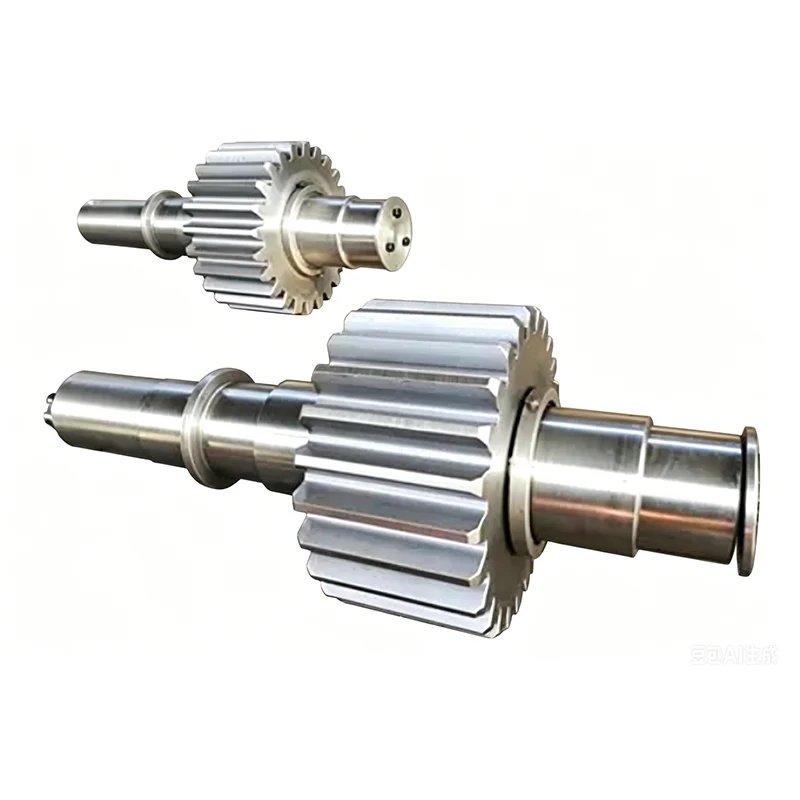
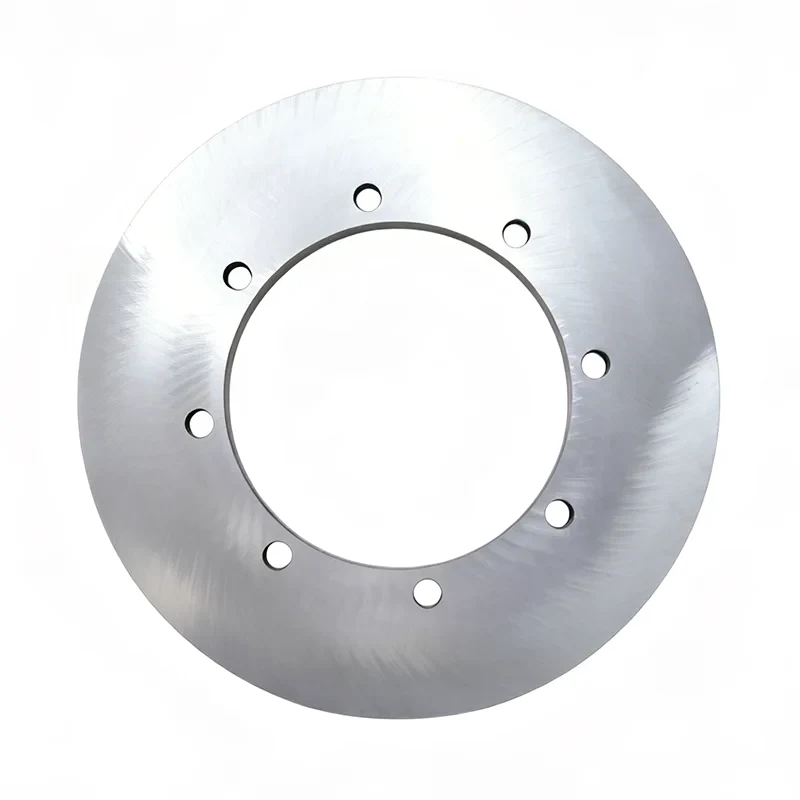
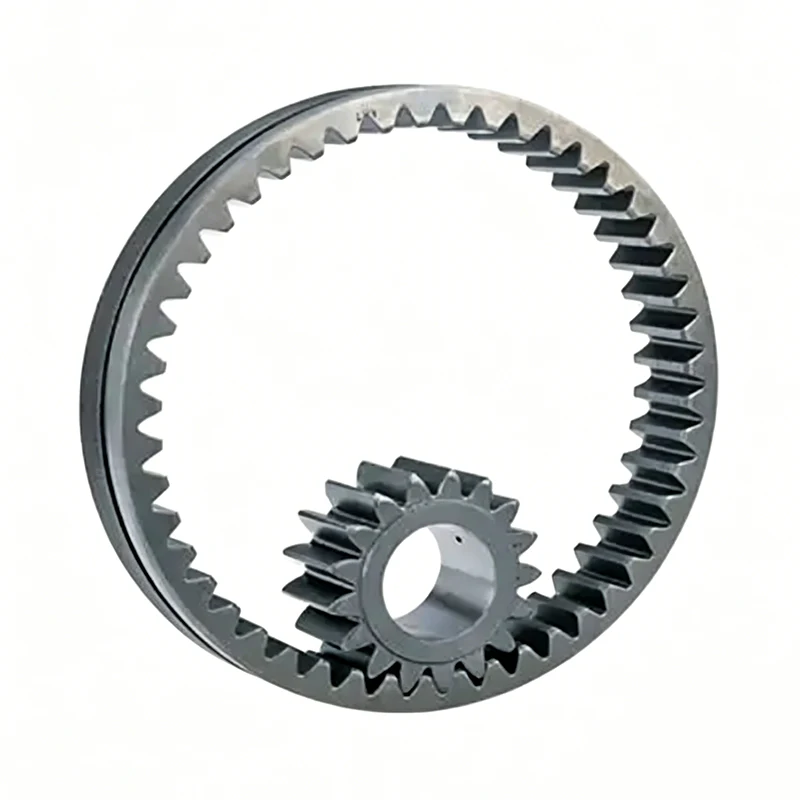
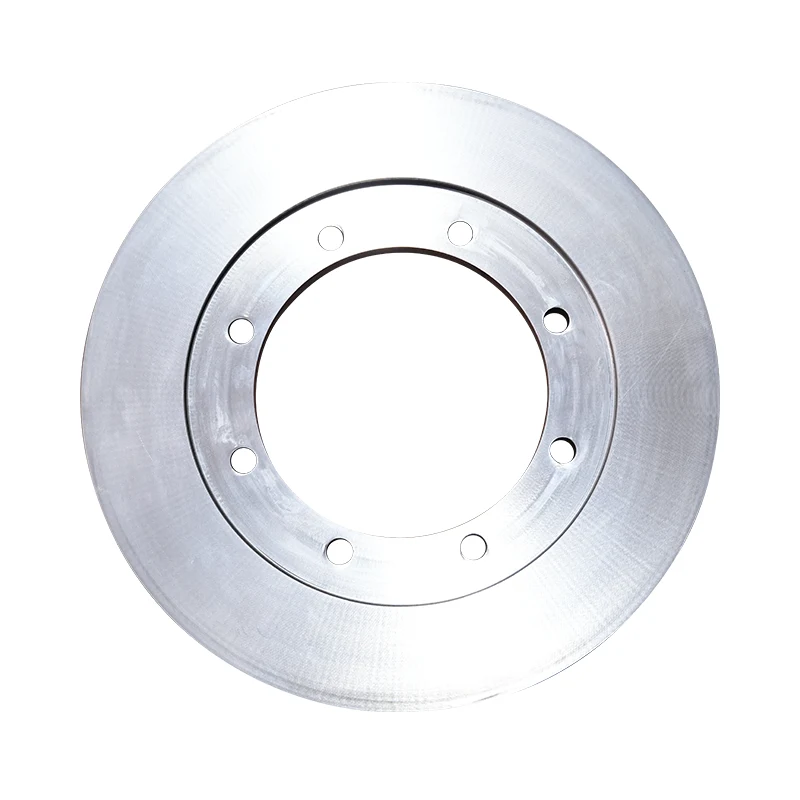
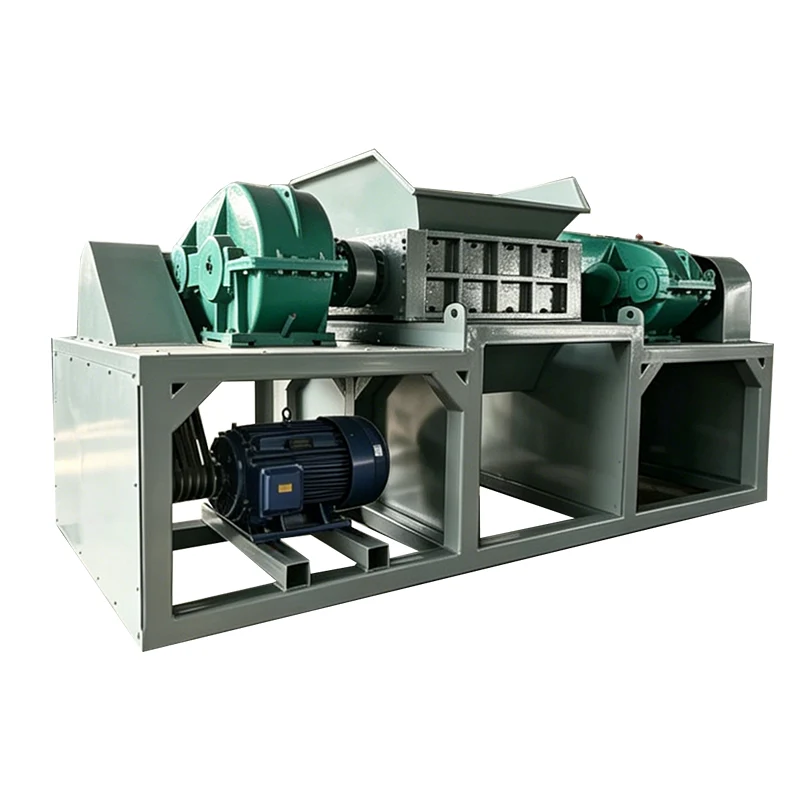
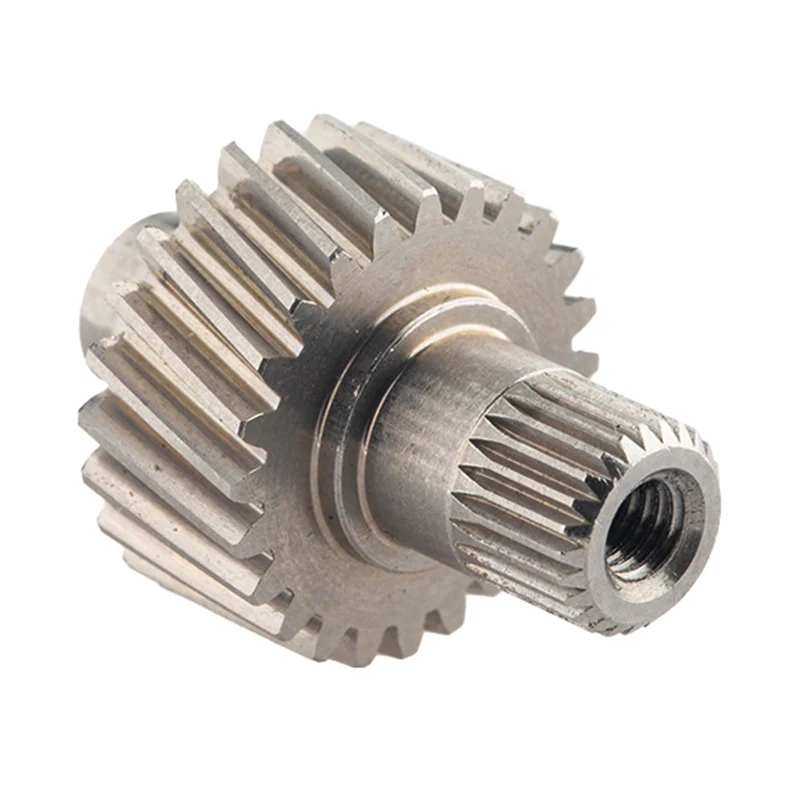
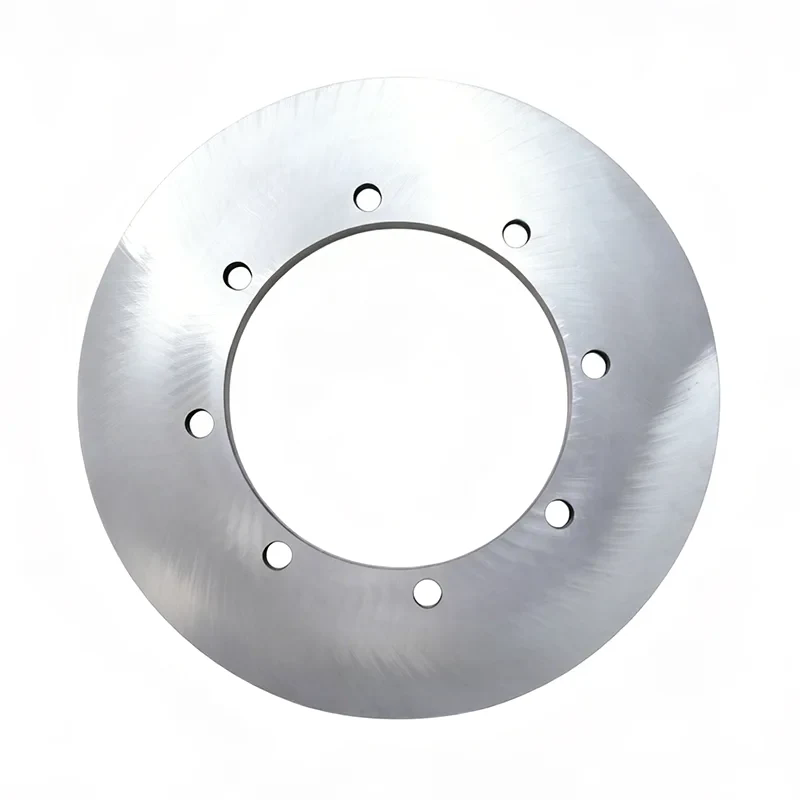
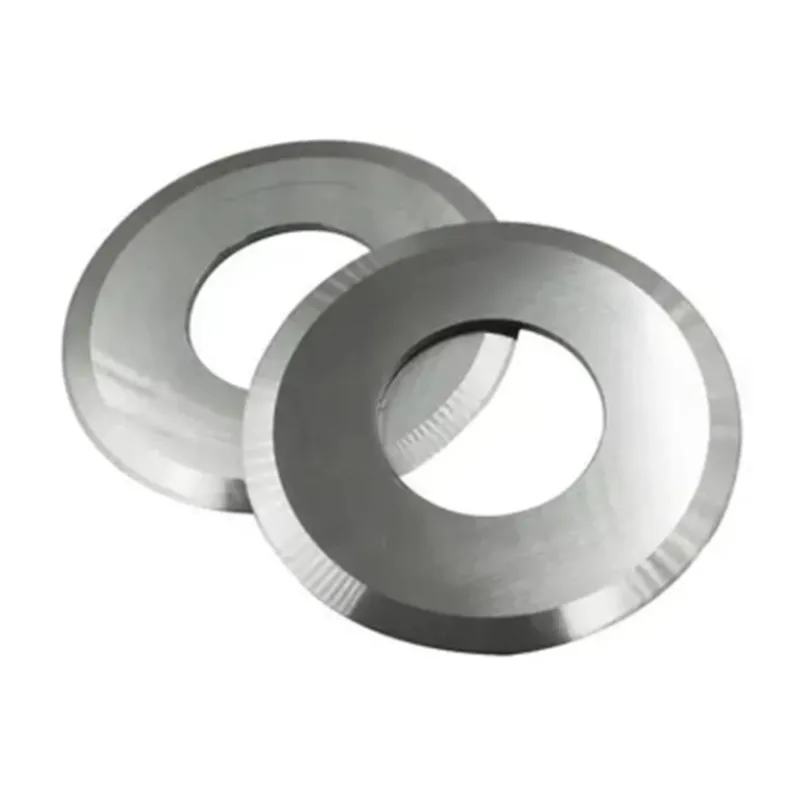
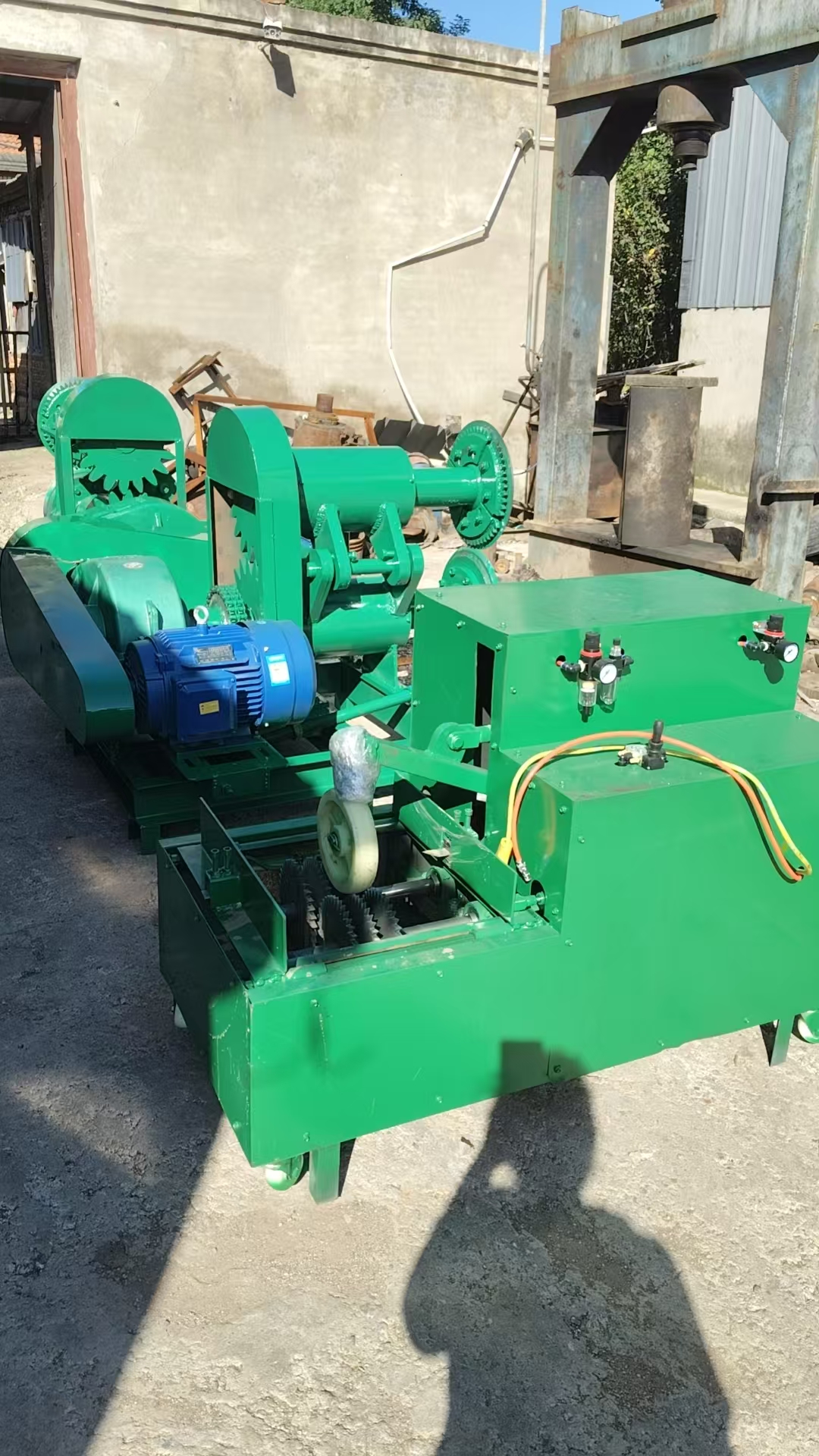
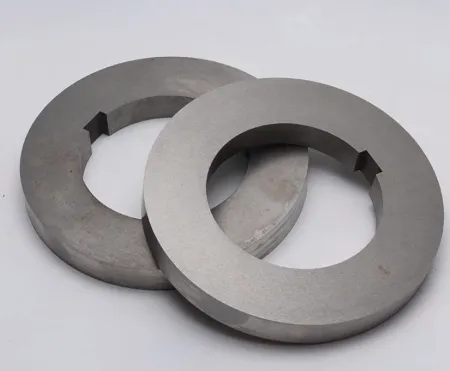
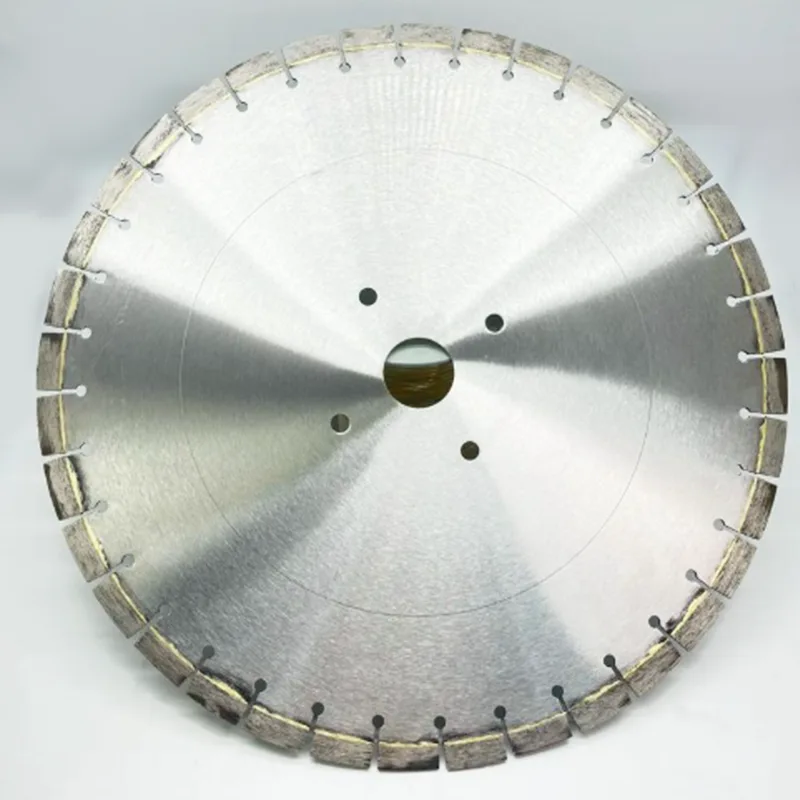
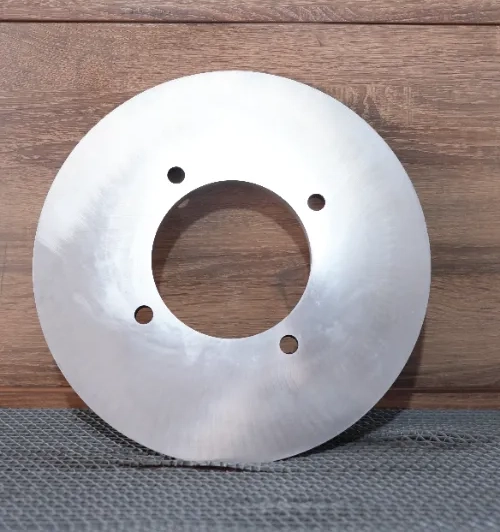
The shredder blade is widely used in the crushing and processing of various materials such as metal, plastic, rubber, wood, tires, paper and film, and is a core component in solid waste recycling and resource utilization. According to different material characteristics and equipment types, their application scope is subdivided as follows:
1. Divided by material type
Metal class: suitable for crushing scrap metal, cans, paint buckets, thin iron sheets, car shells, steel shavings, etc. Double axis shredder blades are particularly adept at handling high toughness or high hardness metal materials.
Plastic: It can efficiently shred plastic bottles, plastic buckets, plastic bags, PC pipes, plastic steel doors and windows, large rolls of film, etc., commonly used in the plastic recycling industry.
Rubber and tires: specifically designed for crushing high elastic materials such as waste tires and rubber blocks, preventing entanglement and improving discharge uniformity.
Wood and biomass: used for crushing tree trunks, templates, packaging boxes, straw, waste wood, etc., widely used in biomass power generation and feed processing fields.
Household waste and mixed solid waste: Processing mixed waste with complex components such as ton bags, woven fabrics, kitchen waste, garden waste, electronic waste, etc., to assist in the preparation of RDF (waste derived fuel).
Hazardous waste disposal: High risk materials such as broken medical waste, waste paint buckets, and chemical containers require specialized blades designed for explosion and corrosion prevention.
2. Divided by equipment structure
Single axis shredder blades: mostly in the form of blocks, suitable for brittle materials such as paper, hard plastics, wood, etc., with a more uniform discharge particle size (about 30mm × 40mm × 20mm), suitable for scenarios with strict particle size requirements.
Multi axis shredder blades (such as dual axis and four axis): using circular claw blades, suitable for high toughness materials such as metal, soft plastic, tires, etc., with advantages of low speed, high torque, and anti winding.
3. Material and process adaptation
Blades are often made of high-quality tool steel or alloy mold steel such as D2, SKD11, Cr12MoV, H13, etc. After heat treatment, the hardness can reach HRC52 °~63 °, ensuring wear resistance and impact resistance.
For different working conditions, blade thickness, tooth profile (V-shaped/U-shaped), aperture and other parameters can be customized to improve crushing efficiency and lifespan.
We use cookies to offer you a better browsing experience, analyze site traffic and personalize content. By using this site, you agree to our use of cookies. Privacy Policy