We are glad to share with you about the results of our work, company news, and give you timely developments and personnel appointment and removal conditions.
Most small and mid-size recycling workshops in Indonesia run 8 to 16 hours per day, processing scrap tires mixed with steel cords and fiber. Ordinary cutters lose sharpness quickly, pull rubber material instead of cleanly shearing it, and bring extra load on shredder bearings and motors. When the blade fails unexpectedly, factories lose revenue from delayed orders and extra labor for disassembly and replacement.
The rubber recycling sector in Indonesia, Malaysia and Thailand has kept expanding in recent years. Abundant rubber plantations and large volumes of waste tires push local factories to upgrade crushing equipment. Many plant managers face frequent blade wear, edge chipping and unstable cutting quality, which directly cause production shutdown and higher operating cost. Choosing the right rubber shredder blade and trusted manufacturer becomes a key task for local recycling investors.
Most burr problems are not simply caused by low blade hardness. Multiple factors work together to ruin finished strips. Incorrect blade clearance setting, unstable material structure and poor heat treatment of cutting tools all lead to inconsistent cutting results. Low-grade blades lose edge sharpness quickly under continuous high-speed operation. Once the cutting edge wears, operators need to stop production for disassembly, grinding or replacement, which cuts output and raises labor expense.
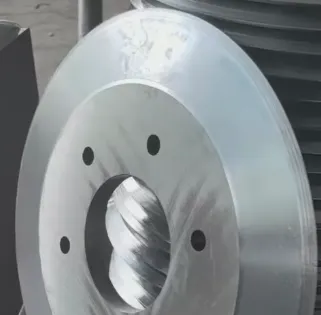
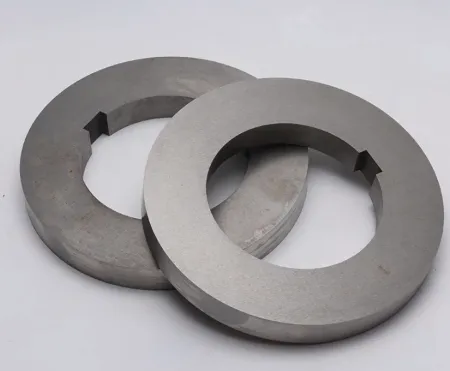
Waste car and truck tires contain dense steel wire inside rubber layers. Ordinary shredder blades are not designed to withstand repeated impact against steel cords. After a short running period, edges wear rapidly, crack or even chip. Operators have to halt machines for disassembly, replacement and re-calibration. The 300mm steel wire tire small blade adopts special alloy steel formulation, which balances hardness and impact resistance, so it can steadily cut rubber together with internal steel wire without easy edge breakage.
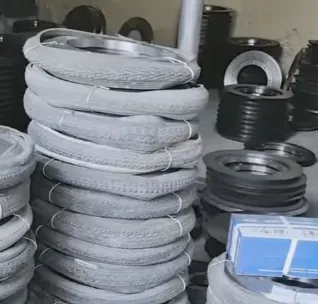
Tires embedded with steel wire bring huge challenges to recycling equipment. Ordinary blades wear rapidly, crack easily under impact, and need frequent replacement. Frequent blade changes stop production, raise spare part budgets and delay delivery schedules. Many recycling plant operators are looking for durable blades that maintain sharpness under continuous heavy loads.
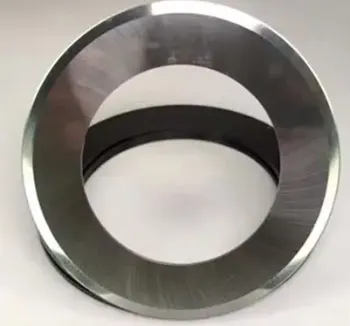
Longitudinal slitting for flat steel requires blades to sustain repeated impact and friction when cutting carbon steel, galvanized sheet and thin alloy strips. Many generic blades use simple heat treatment, leading to fast edge abrasion and burr formation after short running hours. Once the cutting edge loses sharpness, finished steel strips will have uneven edges, which triggers product rejection and unexpected machine shutdown.
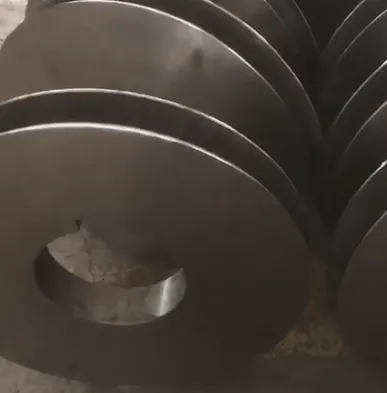
A qualified flat steel longitudinal shear blade must balance hardness and toughness. Too high hardness brings cracking risk, while low hardness results in quick wear. This balance is the main technical difficulty most small blade factories cannot handle well. Xinzhe Tools has accumulated years of experience in metal cutting tool production to tackle this problem.
We use cookies to offer you a better browsing experience, analyze site traffic and personalize content. By using this site, you agree to our use of cookies. Privacy Policy


 22 2026-10
 20 2026-10
 19 2026-10
 13 2026-10
 09 2026-10
 30 2026-09