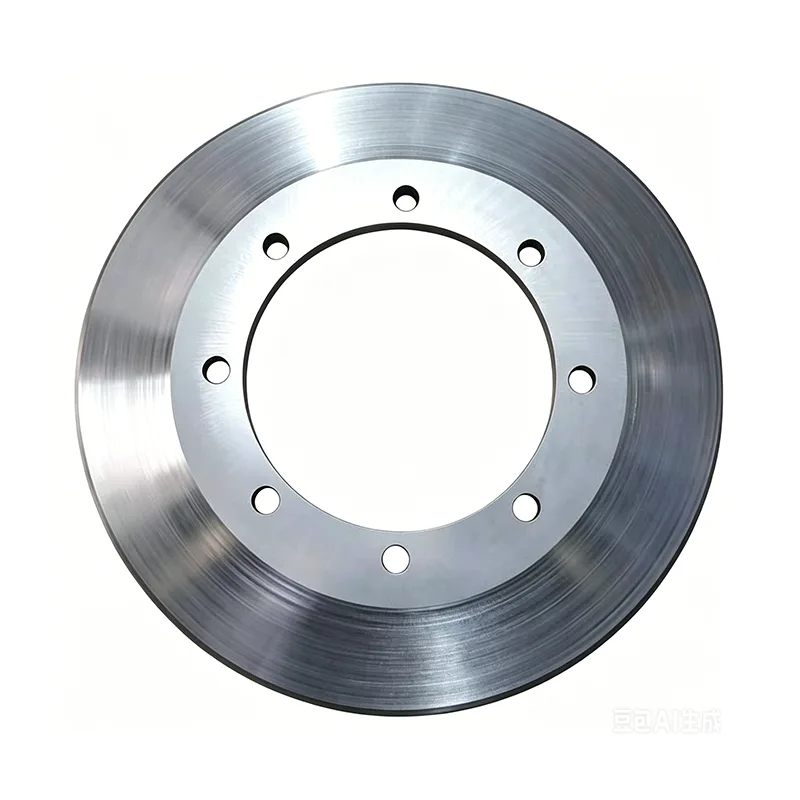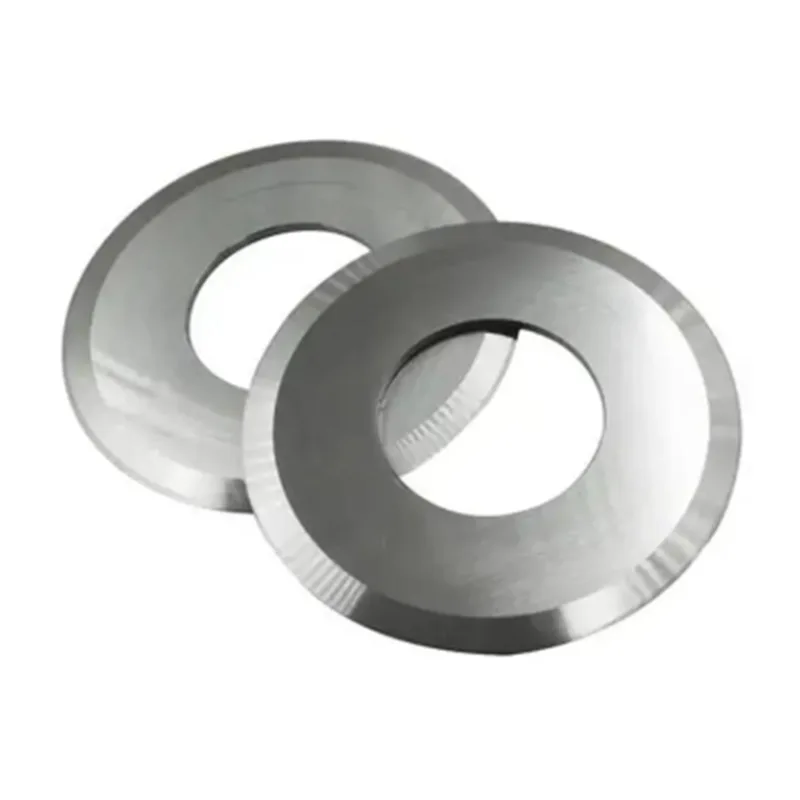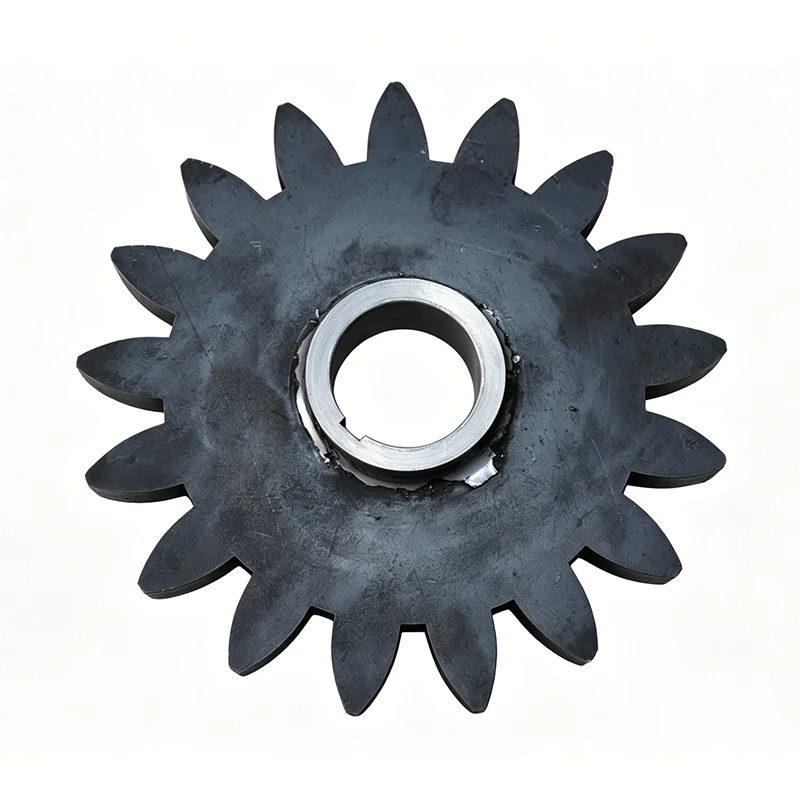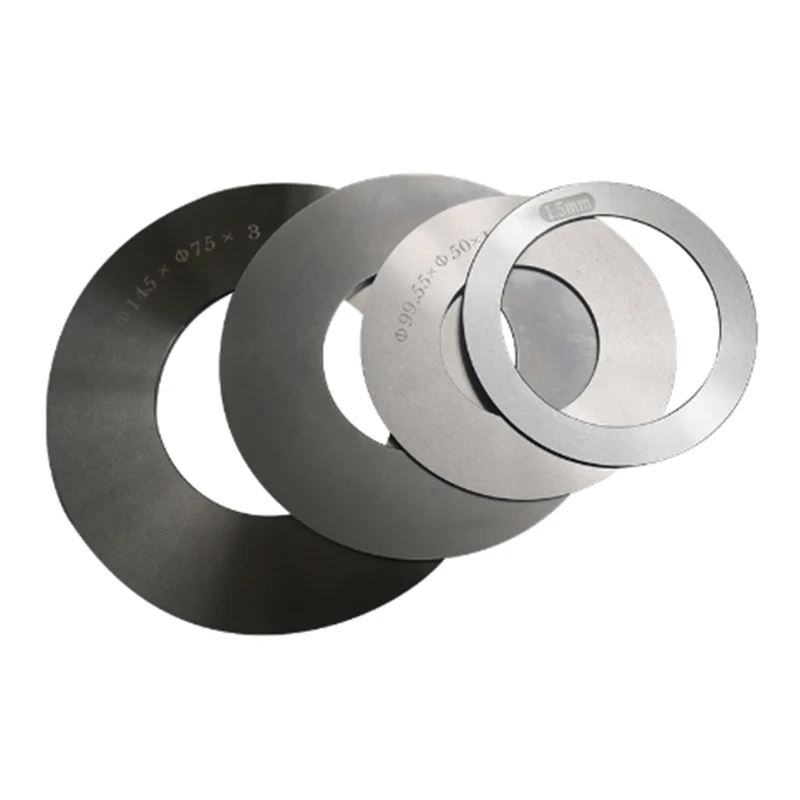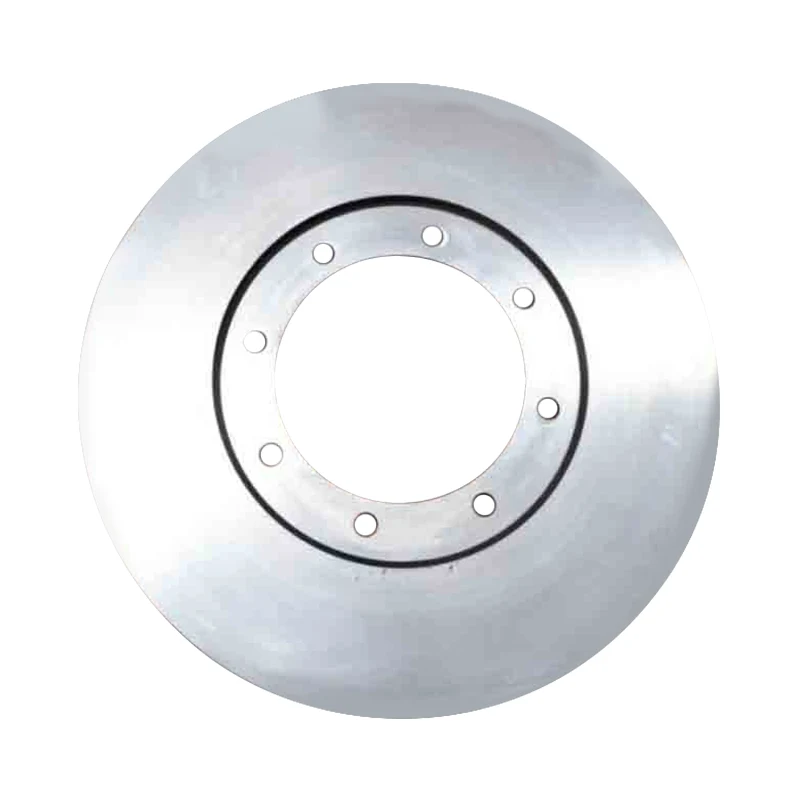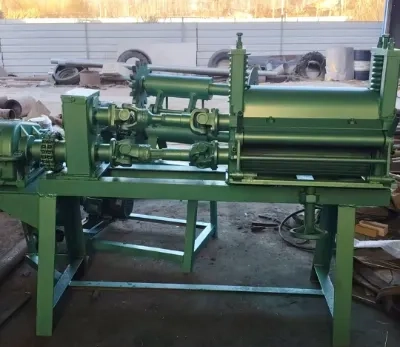

For recyclers and rubber processors, the cutting blade is the heart of any tire shredding operation. It is also the most expensive consumable. Many plant managers face the same question again and again: why do blades wear out so fast, why does output keep dropping, and why does every replacement mean hours of downtime and a heavy invoice? The answer often lies not in the blade material alone, but in the geometry of the cutting edge. A **large bevel blade** can change the way your shredder bites into tough rubber, and it may be the simplest upgrade that pays for itself within weeks.
**Why Cutting Angle Determines Shredding Efficiency**
When a straight-edged tool hits a thick tire sidewall, the impact force is concentrated on a narrow contact line. The rubber resists, the edge dulls quickly, and the motor has to work harder to complete every cut. In contrast, a **large bevel blade** spreads the cutting load over a wider, angled surface. The wedge-shaped edge penetrates the rubber with less resistance, produces cleaner cuts, and keeps a stable throughput even when feeding heavy truck tires or steel-belted casings. This is why more and more shredder operators are switching their knife sets to large bevel designs when they rebuild their rotors.
**How a Large Bevel Blade Lowers Total Operating Cost**
Cost is not just the price tag of the knife. Total operating cost includes energy consumption, replacement frequency, downtime, and labor. Because this blade geometry cuts with less force, the motor draws less current per ton of material, saving electricity over months of continuous running. The angled edge also retains its sharpness longer, which means fewer changeovers and less scrap produced between maintenance windows. When a rotor is equipped with a properly heat-treated, high-wear-alloy **large bevel blade**, plants often report doubling the service interval compared with conventional flat knives, directly improving the bottom line.
**How to Choose the Right Blade for Your Production Line**
Selecting the right knife is not a one-size-fits-all decision. You should evaluate the blade material (alloy steel grades such as Cr12MoV or high-chromium alloys), the heat treatment and hardness level, and the exact bevel angle matched to your feed material. If you process whole tires with steel belts, a tougher edge and a moderate angle will serve you better; if you mainly cut soft rubber blocks, a steeper bevel gives you a faster, smoother cut. Always ask your supplier whether the blade can be customized to your rotor dimensions and whether regrinding services are available, because a blade that can be resharpened several times is worth far more than a cheap one that must be replaced.
Upgrading to a **large bevel blade** is not a trend; it is a measurable improvement in efficiency, durability, and cost control. If your shredder is losing throughput, burning through knives, or struggling with difficult feed, it is time to review your blade geometry and talk to a manufacturer who can engineer the right solution for your line. Start with one rotor, measure the results, and let the numbers decide for you.